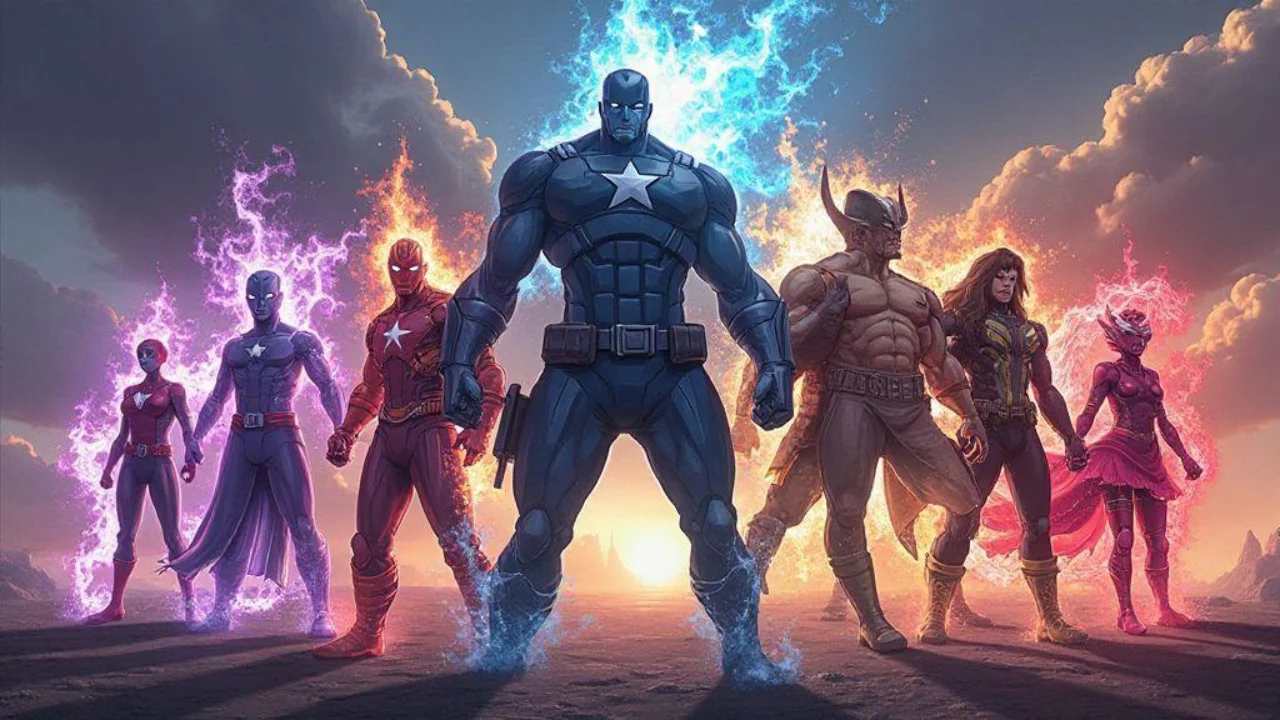
The text presents eight iconic Marvel villains reimagined in anime style. The idea is to show the redesign process, the color palette, the silhouette, the reinterpretation of powers, and the final transformations. Rules for balancing abilities, fight choreography, and a ranking with criteria and scores are also provided.
In addition, there are fanart tips and places to post and receive feedback, always focusing on the 8 Strongest Villains in Marvel. To understand how powers appear in anime, it's worth consulting the... strongest powers in anime.
Anime design of the 8 strongest Marvel villains.
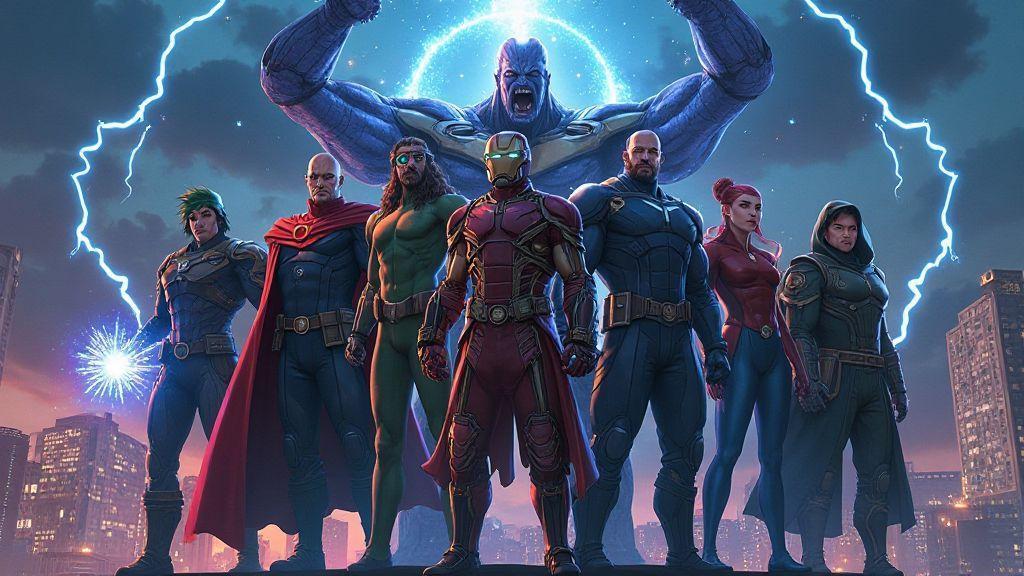
Transforming epic villains into anime visuals involves maintaining quick readability, readability from a distance, and a clear visual signature. The goal is for each villain to have a strong identity, standing out even on smaller screens and in teams of heroes.
For beginners, keep three key elements in mind: a distinct silhouette, a contrasting color palette, and a unique accessory that identifies the character. This way, reading action scenes becomes quick and memorable due to the aesthetics, not just the story.
Table: Essential Elements for Villain Design (Quick Summary)
- Silhouette: readable from a distance, with striking features (e.g., broad shoulders, sharp hood, long tail)
- Palette: defines tone and personality (cool colors for coolness, warm colors for intensity)
- Unique accessory: immediate identification (mask, baton, glowing seal)
My redesign process
When redesigning, I divide the work into short stages. I choose the villain as a starting point and identify essential original features. I research anime references with the desired tone: thin lines for elegance, thick lines for impact, and energy effects that allude to powers. I test the silhouette's readability with quick sketches to ensure it stands out from a distance.
I evaluate color interpretation by looking for contrast between light and shadow. I usually start with a palette of 3 skin tone colors, adding an accent color only if necessary. The goal is for the villain to be recognizable even without many details.
I draw the face and expressions focusing on personality: arched eyebrows can indicate coldness, a crooked smile cruelty. This trio — silhouette, color, and expression — makes the design ready for animation.
To maintain consistency, I create a reference database with variations in pose and key expressions. I note what changes in each villain: what stays the same, what transforms with their power, and which accessory stands out to the reader. This method avoids loss of identity when adapting to different scenes.
Palette and silhouette of the villains
The color palette is the soul of the visual. I start with colors that convey the character's vibe—cold, aggressive, elegant, or chaotic—and use strong contrasts to make them easier to read in combat. Details like capes, masks, or armor patterns should remain legible up close and from a distance. Shadows reinforce the character's weight: sharp edges for aggression, rounded edges for subtle cruelty. Each villain's palette receives a mini-manual with primary, secondary, skin, and accent colors, making adjustments easier for promotions, merchandise, and animation.
Practical tips for character design
- Define three key features: silhouette, skin tone/color powder, and an accessory that never fails.
- Use contrast for quick reading: cool vs. warm colors, strong shadows, focused lighting on the face or hands.
- Think of movement: diagonals, clothes that seem to float, and objects that suggest energy.
- Expressions reveal personality: a cold stare, a tyrannical smile, and a raised eyebrow tell the story.
- Maintain consistency between design and narrative: the villain's origin, power, and objective.
- Vary your pose according to the scene: intimidation in a confrontation, observer for planning.
- Fan feedback helps, but keep the core concept in mind.
- Document everything: use the mini palette and silhouette variation guide for consistency.
Reimagined powers of villains in anime.
Transforming classic powers into distinct visualizations creates impact—what was brute force can become strategy, speed, or illusions. When adapting, I think about how the power functions in everyday combat: what it allows, what it prevents, and the cost to the user. I try to maintain the essence of the villain, but make it clear that, in the anime, each power choice changes the rhythm of the story.
The transformation of powers involves the visual aspect: new colors, heavy or ethereal sound effects—everything helps to communicate the change. Simple principles help maintain balance: if the power is too powerful, there is a weakness or limitation; if it is fast, I impose time restrictions. Subtle humor also helps to humanize the antagonist at the right moments.
When choosing adaptations, I consider the anime's theme: a dominant mind might have a shadowy aesthetic; energy manipulation might have an electric visual style. Form generates function: appearance communicates what the power does and how it affects others. I include one or two key scenes to clearly showcase the reimagining: a quick attack, an impossible defense, or a tactical failure that reveals humanity.
- Marvel villains in anime: hands with more mechanized weapons, a pulsating cosmic aura, illusions that distort into layers of color. Transformations should retain original traits but amplify the anime vibe.
- The goal is to convey the idea that the transformation elevates the villain without breaking their essence.
Marvel villains in anime style: powers and transformations
The idea is to maintain the strength of each character with an aesthetic that favors fast-paced panels. Visual transformations can include energy levels, color changes, and new weapons that appear at crucial moments. The progression of the transformation can reveal weaknesses or new ambitions, keeping the narrative exciting.
Some hypothetical examples:
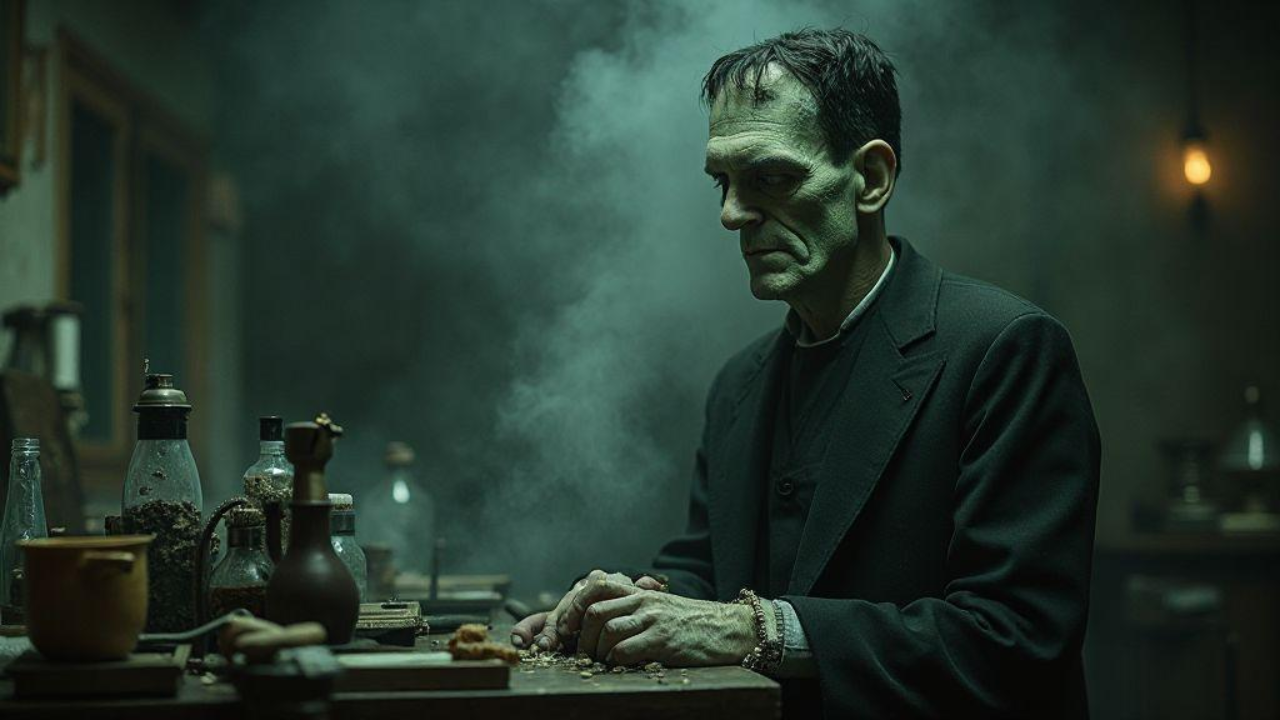
- Magneto: visual magnetism that rearranges the scenery, creating force fields that are living sculptures.
- Venom: a symbiotic team with a darker color palette and neon claws for battle.
- Loki: illusions that distort with colorful layers.
The secret is to maintain the essence of the character and allow the anime to amplify their powers, with minimal redundancy in their features. The transformations should feel natural as they fit within the story.
Element | Description
- Power reimagined | How classic power gains new visual and tactical rules in anime
- Limitations | Costs, weaknesses, and conditions of use
- Fighting rhythm | How the new ability alters timing and flow
Transformations: rules for balancing powers
Good rules maintain balance: power doesn't win without effort; there are clear costs and time or resource limits. Controlling power requires expenditure to maintain its effect; illusions, real perception versus illusion, are necessary to break through. Limitations generate tension; preventing either side from becoming a crushing machine. Surprises help keep the audience engaged: non-obvious weaknesses and the villain's personal motivations can emerge, creating more human and exciting struggles.
Transformations and final forms of the villains
Transformations are the visual climax: when the villain surpasses their limits, the suit changes to reflect their newfound power, evil, or strategy. Each form has a backstory and impacts combat, narrative, and personality. Well-executed transformations give a sense of growth along with the threat.
Pay attention to how the changes appear on screen: glowing symbols, new silhouettes, weapons that rearrange themselves. These clues help communicate the change without direct explanation. The goal is to maintain the epic scale without losing the villain's humanity, so that he has charm and weight in the confrontation.
Visual evolutions in combat
Visual evolutions often begin with simple signs: a growing aura, eyes that change color, new weapons that appear. The fighting rhythm is the cadence between the villain's attack, pause, and response. The second form at the decisive moment brings a new strategy or motivation, communicating a turning point.
Specific symbols or markings help signal the transformation: a symbol on the chest, a motif on the armor, or a bright tattoo indicate a new origin or power. These clues help the audience understand the change without verbal explanation.
Marvel villains transformed into anime.
Marvel has villains that would make for impressive anime transformations. Doctor Octopus with even more mechanized arms, Thanos with a pulsating cosmic aura, Venom with an aggressive color palette, Magneto with magnetic fields that rearrange the environment — the visuals are vast and allow for memorable colors and movements.
The key is to maintain the essence of the character and allow the anime style to amplify their powers without losing their identity. The result is a sense of epic scale, typical of the greatest anime confrontations.
Animation of transformations
The animation of transformations works best with controlled timing: a smooth fade-in, followed by a burst of energy. Synchronization between sound, light, and movement makes the transformation seem inevitable. Hidden details, such as glowing symbols or weapons that rearrange themselves, help tell the story without words. The choreography reinforces the character's new philosophy, opening up space for surprise attacks and dramatic turns.Marvel in the new Disney Brazil
Impactful sequences in the scenes
Impactful scenes often begin in silence and end with an explosion of power. Every frame must be decisive: the hero's reaction, the villain's expression, the sound that cuts through the atmosphere. Small gestures, like the weight of a leg on the ground or the sway of a cape, help build the energy of the sequence. The timing between camera, music, and movement increases the impact of the fight.
Key elements in epic anime battles with Marvel villains
- Choreography and rhythm: fluidity with dramatic pauses.
- Crossovers: a mix of styles while maintaining the identity of each universe.
- Impactful sequences: silence, angles, sound, and expression.
- Emotional construction: tension, fear, surprise, and the villains' motivations.
- Reference to the 8 Strongest Villains in Marvel: weight, scale, and strategy.
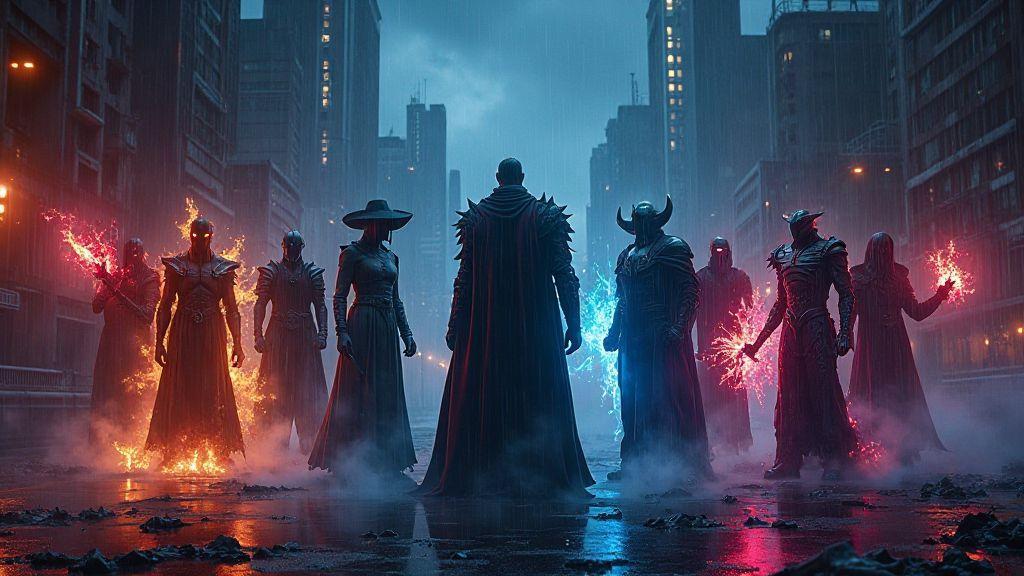
Ranking of the 8 Strongest Marvel Villains (anime version)
This ranking assesses strength, resilience, and power scaling within the context of a shonen-style action anime. It's not just about raw damage, but also how each villain adapts to heroes with different abilities, with moments of strategy, surprise, and wow.
Criteria for compiling the ranking
- Brute force
- Scale of power
- Versatility of skills
- Narrative impact and potential for memorable fights.
- Consistency between films, comics, and anime adaptations.
The comparison aims to keep the ranking consistent with what would be plausible in an action anime, where each battle is full of tension and requires quick decisions.
How did I compare strength and scale?
I defined the power level based on skills, weapons, and special powers. Then, I analyzed the scale against very powerful adversaries, such as cosmic entities. I created a typical battle timeline: entry, power peak, and possible turnaround. I took into account tactical potential, field control, and manipulation of allies/enemies. The goal is to present a natural reading experience for fans of epic battles.
Results and ranking scores
1) The top lane combines brutal strength with spatial control and decisive skills without losing momentum. The rating reflects damage, fight quality, strategy, and emotional impact. For each position, I explain why with simple examples.
2) The remaining positions highlight villains who, even with less direct attack, compensate with tactics, resistance, or manipulation of the environment. The ratings help to understand where each talent shines, maintaining fairness between combat styles.
Table: Summary Ranking
- Position | Villain | Strengths | Reason for Position
8 Villains are included to support the idea that Marvel can be just as interesting as great power-based anime. Seeing the complete set keeps the focus on strategy, use of power, and impact on the story. If you want specific names, I'll send them in another section, focusing on the 8 Strongest Villains in Marvel.
To understand where the villains fit into this ranking, compare them with the... strongest Marvel characters.
Fan art and concept art of Marvel villains in anime style.
I'm passionate about fan art and transforming Marvel villains into anime style. I strive to capture their imposing presence with dynamic lines, vibrant colors, and dramatic poses, while maintaining their original identity. In my projects, I crop the silhouette for legibility in thumbnails and add gestures that tell a quick story: a malevolent smile, a gaze that seems to see right through you, an aura of power that almost rains energy. Black and white revisions help check shapes before applying color.
The secret lies in reading the character's features. Thanos works well with cool palettes and strong shadows; Loki benefits from lighter lines, large eyes, and a smile that suggests trickery. I start with a simple sketch and gradually add details so that each color decision has a purpose. If the project is fan art, I insert subtle references to avoid copying, maintaining originality in the anime style.
- Legible silhouette: simple shapes for quick reading
- Color palette: tones that communicate power and tension.
- Facial expression: a single look tells the whole story of the villain.
- Lighting: Cool highlights vs. warm shadows create drama.
Techniques for fan art and concept art
When working on fan art or concept art, I start with a sketch to define the villain's pose and overall look. I define the line of action to convey movement, and adjust the face to the anime's features (larger eyes, simple nose and mouth lines). I add details like scars, battle marks, and accessories, maintaining a balance between fidelity and style.
I use separate color layers (skin, clothing, armor, energy effects) to facilitate adjustments. I light from the side to highlight contours and from the front for presence on the face. I work with flat color blocks and layered shading, with soft gradients for skin and highlights on metals. Simple textures suggest materials without losing the clarity of the line.
I create reference mood boards with various poses to decide which gesture works best in two or three scenes. I review them with quick feedback from friends or online communities, adjusting contrast or brightness to make the villain shine on screen.
Fanart techniques: key aspects
| Key aspects | Practical description |
|---|---|
| Legible silhouette | Simple shapes for quick reading |
| Color palette | Tones that convey power and tension without exaggeration. |
| Facial expression | A single glance tells the villain's story. |
| Lighting | Cool highlights versus warm shadows create drama. |
Techniques for fan art and concept art (continued)
When creating, I maintain a clean line style for contours and use lighting effects that bring the character closer. I test with lighting to highlight the outline and use layers to achieve a consistent result. Feedback from the community helps adjust contrast and brightness so that the villain shines.
Anime character design for Marvel villains
When designing Marvel villains in anime style, I start by defining the archetype: costume, weapon, posture, and aura of power. I choose colors that reinforce the central idea (cool colors for impersonality, warm colors for aggression driven by power). Iconic elements are reimagined with simple yet recognizable lines, maintaining the essence of the character.
I adapt features to the anime style: larger eyes, hair with defined strands, and facial lines that reinforce personality. I research combat poses that work well in fast-paced scenes, maintaining clear visual flow even in intense expressions. I mix technology with mystical touches for clothing that looks both practical and dramatic. I check the consistency of the style across various aspects of the character to avoid breaking the visual flow.
When designing Marvel's eight strongest villains, I seek a balance between visual power and iconography. Each villain has a distinct signature—energy type, helmet shape, armor pattern, or tattoos—to differentiate each figure while maintaining the Marvel spirit and the lightness of the anime style. I test the design from various directions to ensure readability from the front, profile, and back.
Where to publish and get feedback.
For helpful feedback, I post pieces in art communities and Marvel and anime fan forums. I use short descriptions that explain the design choices and what I'm trying to communicate. I ask for specific feedback: "Does the facial expression work on small screens?", "Do the colors convey the character's energy?". I value criticism that points out where the line work could be cleaner or where the lighting could be more dramatic. Compare official references to keep the character's expression aligned with its essence.
I publish on various platforms (Instagram, ArtStation, DeviantArt) to reach different audiences. I incorporate the feedback into the next piece, maintaining my artistic voice. Constant feedback is the driving force behind evolving my fanart style and getting closer to the vibe of my fans. 8 of Marvel's Strongest Villains In anime style.
Conclusion
Marvel villain design in anime is an art form that's easy to read: recognizable silhouettes from a distance, a color palette that communicates personality through contrast, and a unique signature in a striking accessory. Transformations follow simple rules of balance: costs, limits, and a weakness that maintain tension in battles. Choreography, rhythm, and emotional build-up bring the scenes to life, making each fight tell a story, not just showcase strength.
Community feedback is an essential part of the process; it guides adjustments, inspires new ideas, and reinforces the audience's understanding, especially in fan art and concept art. Publishing on diverse platforms broadens perspectives and helps evolve the style, maintaining the essence of the characters while elevating the aesthetic to the anime style.
I invite you to follow my upcoming creations, test the techniques, and share your opinions. Each project is an opportunity to learn, refine techniques, and transform eight villains into visual narratives that shine through epic battles, impactful transformations, and unforgettable moments of decision.
Frequently Asked Questions
- What would the villains' transformations look like in anime style?
- Imagine epic and rapid transformations, with unique final forms, auras, living armor, and glowing eyes. Marvel's 8 Strongest Villains could get exaggerated versions and striking visuals. For transformation references, see [link/reference]. all of Luffy's transformations.
- What new powers would they have in the anime?
- Cosmic and elemental powers, giant telekinesis, time manipulation, accelerated regeneration, with visual and signature attacks.
- Who would win in epic battles between them?
- The most adaptable villain tends to win. Anime loves plot twists; whoever controls reality tends to have the advantage, but everything can change with transformations.
If you want to see specific names of the eight villains, I can list them elsewhere, focusing on the 8 Strongest Villains in Marvel. For more action references in anime, see the... best action anime of all time.