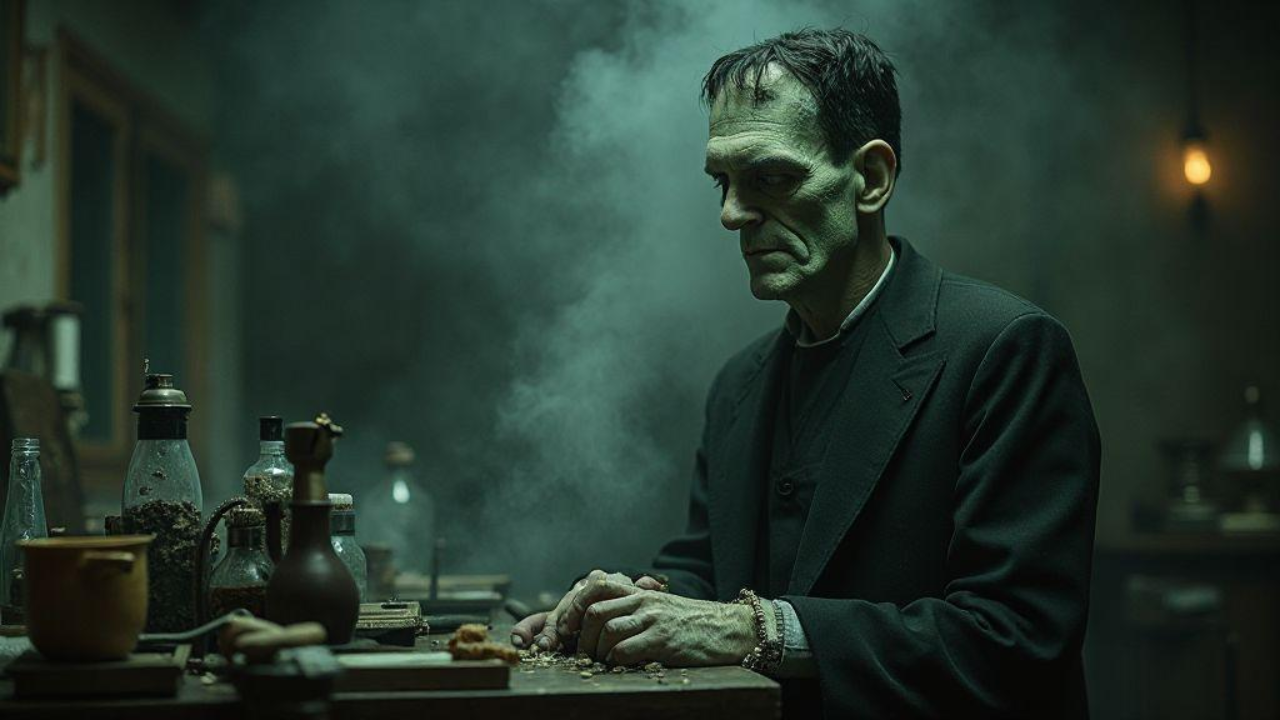
I'll guide you through my selection and method. I'll explain my criteria: fidelity, influence, genre, and animation. I'll talk about the classics, anime adaptations, modern reinventions, and monster designs. Finally, I'll give my recommendations and tips on how to watch and where to find the films.
How I choose the best Frankenstein movies
I evaluate how the Frankenstein story comes to life on screen: I want films that respect the spirit of the book, but bring something new. I look for works that provoke reflection, fear, or empathy for the creature, with real layers and emotions. It's not enough to be a scare; it needs to stay with me.
My method begins with fidelity to the essence of the myth—the theme of responsibility, creation, and the consequences of tampering with life. Next, I observe the influence: does the film add something original that changes the way we see monsters, science, or ethics? Finally, I evaluate the visual and sound impact—aesthetics, art direction, soundtrack, and rhythm.
When I find a film that combines all of that, I consider it one of the best Frankenstein films. It's not just about scares; it's an experience that generates debate and reflection, as well as accessibility for fans of the book and newcomers alike. If everything clicks, I note it down as a reference for recommendation. This line of thinking resonates with the vision of cinema masters like Tim Burton and Christopher Nolan.
My criteria: loyalty and influence.
Fidelity is evident in the essence of the story: the weight of the creator's choices, the suffering of the creature, and the morality of the invention. I analyze how the film addresses the scientific debate: responsibility or just scares? Fidelity doesn't mean copying the book, but keeping the central conflict alive.
Regarding influence, I research whether the film paved the way for the genre, inspired other works, redefined scientific ethics, or the portrayal of monsters. Films that shape directors, generate debate, or appear on reference lists deserve credit. The balance between fidelity and influence is key: too much rigidity can sound dry; too much innovation can lose emotional truth. This line of thinking also resonates with the world-building in great cinematic epics, such as those of... The Lord of the Rings.
My criteria: genre and animation.
Genre matters because Frankenstein can engage with suspense, drama, action, or dark fantasy. I prefer works that blend genres without losing their essence, with touches of psychological horror, tragic romance, or dark humor to keep the story alive.
Animation is a powerful differentiator: when used well, it creates emotional distance that allows the story to be seen with different eyes, while maintaining a connection to the theme of responsibility, power, and the consequences of creating life. A good animated Frankenstein film can surprise with its aesthetics as much as its narrative. Ideally, genre and animation should reinforce the message, not just sell fear.
Summary of my method
I define fidelity to the central theme, evaluate its influence on cinema and culture, and verify how genre and animation help tell the story. When all the elements are well aligned, I validate the film as a reference—balancing emotion, reflection, and style.
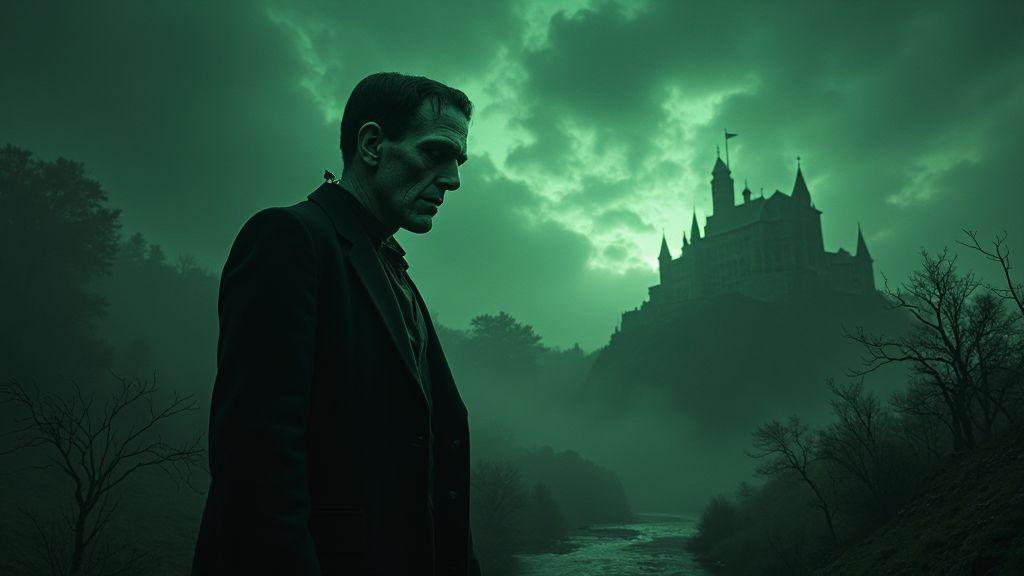
Classic Frankenstein movies that I recommend.
Revisiting these classics shows that suspense doesn't always depend on many special effects. The Frankenstein myth speaks of human curiosity, fear of the unknown, and choices made under the gaze of others. I divide the classics into two blocks: the 1931 film and other older works that deserve a place on the list. Below, the best Frankenstein films to start with.
The 1931 film Frankenstein and its legacy.
The 1931 Frankenstein captivates from the very first scene, with simple effects but a powerful emotional impact. Frankenstein (1931) in classic cinema. Transforming simple visuals into tension is its secret: it goes beyond horror, showing what happens when curiosity turns into responsibility. Its legacy lies in shaping the genre, inspiring various interpretations of the monster, and teaching us to use silence as a weapon. The scenes where the creature explores its isolation resonate more powerfully than many modern special effects.
Despite its age, the film remains relevant because it deals with significant themes: monstrosity isn't just about the body, but also about ethics in the face of power. The direction uses shadows to convey everything without lengthy dialogue, proving that less can be more. Watching Frankenstein 1931 helps to understand why it's a landmark of horror cinema and how the myth grows with each generation.
Other classic Frankenstein films
Each classic approaches the myth in a unique way, not just to frighten, but to discuss what the monster represents to the society of its time. Many explore the collective fear of scientists, the ethics and responsibility that accompany great discoveries. Some use simple resources to build tension, demonstrating the subtle art of storytelling: less noise, more meaning. In each work, there is a different vision of being created by science or rejected by humanity.
Observing how these films address creation and rejection is a reminder that the original Frankenstein is about the consequences of playing God with life. These titles present varied paths to the conflict between creator and creature, between curiosity and responsibility, which is the essence of what makes them memorable.
Why classics matter
The classics lay the foundation for everything that came after, showing how to build atmosphere, strong characters, and moral dilemmas that resonate. They reveal that horror cinema can be reflective, not just scary, and help identify the best Frankenstein films that are still worth watching today.
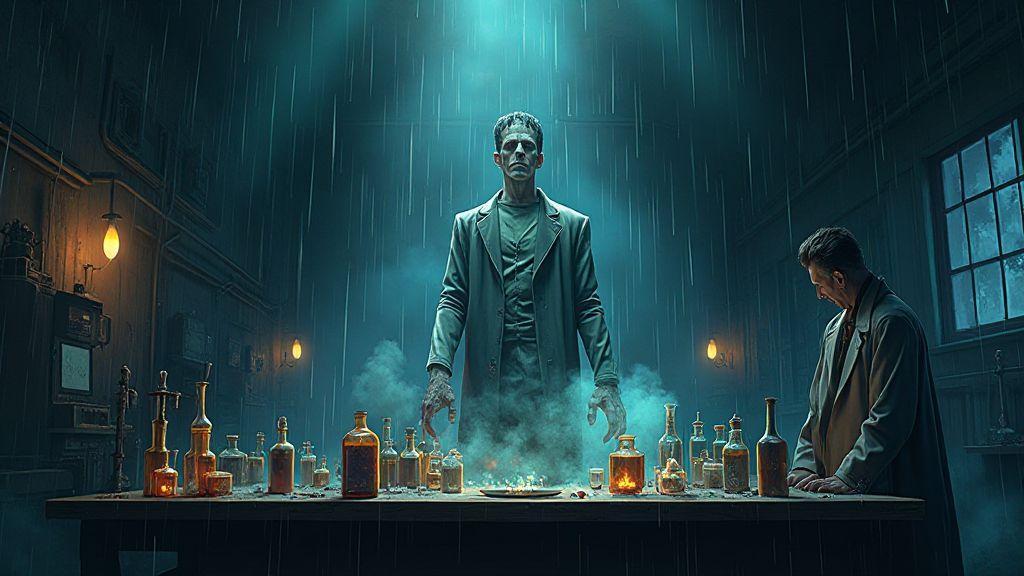
Adaptations of Frankenstein for film in anime style.
The bridge between Frankenstein and anime brings the myth to a vibrant aesthetic, with expressive eyes and settings that blend darkness and fantasy. The creature can gain identity with a typical manga rhythm, creating moments of tension that explore science, ethics, and emotion in a visually striking way. The animation allows for exaggerated gestures, bringing the creature closer to humanity and highlighting the emotional weight of the story.
The challenge is to maintain the philosophical weight of Mary Shelley without losing the anime's pacing. When it works, there's a fusion of horror, science, and human emotion, preserving the work's identity. Compare it to the best Frankenstein films to see how different animation teams approach the material.
Anime inspired by Frankenstein
Anime inspired by Frankenstein go beyond simply adapting the creature: they reimagine the concept, with objectives, flaws, and relationships specific to an animated universe. Often there's a steampunk or gothic atmosphere, with laboratories full of tubes and gears. The creature is humanized through gestures of affection or fear in the face of a world that fears it, adding layers to the character. Universal themes such as identity, prejudice, and the responsibility of creating life appear strongly, and the visual aesthetic—defined shadows, industrial settings, and an emotional palette—reinforces the narrative.
When comparing anime series, some stand out for their creature design and the development of antagonists with complex motivations. Note how the art direction uses color to symbolize the character's evolution.
Elements of anime in adaptations of Frankenstein.
Fast-paced action in creature scenes, with dynamic cuts, use of quick-moving cameras, and exaggerated expressions, enhances the communication of emotion. The soul of the anime emerges in the interactions between characters, with sharp humor or dramatic tension arising from short dialogues and quick decisions. The narrative often explores friendship between creator and creature, or acceptance by society, to maintain lightness without losing the weight of the story.
The laboratory aesthetic, diagrams, and glowing devices contribute to advancing the plot, not just decorating it. The anime style offers a visual language that intensifies the mystery, drama, and scientific curiosity present in Frankenstein. If you enjoy action and fantasy universes, it's also worth exploring. action anime and content that is currently airing, such as anime to watch that are currently airing.
How the anime style changes the story
The anime emphasizes emotions directly, with expressions and micro-gestures that reveal the inner state of the creature and its creators. The pacing is usually faster, with arcs that change rapidly to maintain the interest of those seeking action and suspense, without sacrificing ethical reflection.
For those researching the best Frankenstein films, it's worth noting how anime adaptations handle creator responsibility, the weight of creation, and empathy. The tone is usually accessible to both young and old, maintaining a balance between horror, science, and human emotion. The key is to maintain the story's identity while adapting to the language of anime.
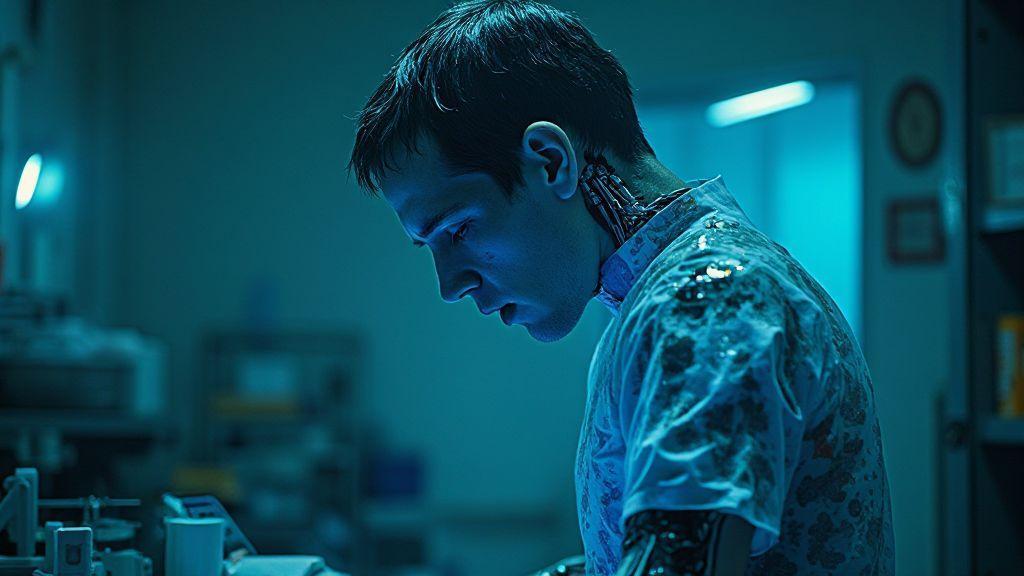
Modern versions and better adaptations of Frankenstein
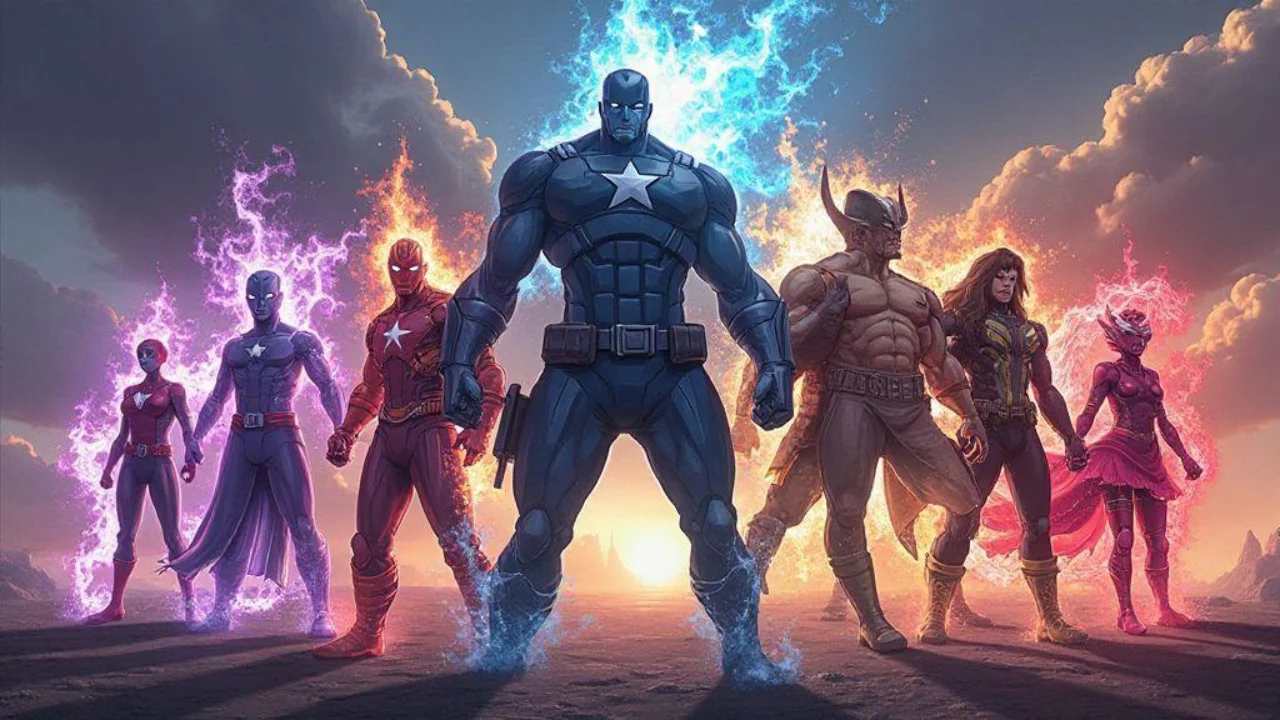
Frankenstein has always dealt with the fear of creating something out of control. Today, modern versions go beyond scares and explore responsibility, ethics, and identity, incorporating technology, science, and questioning what it means to be human. In many films, the Monster is not just a villain, but someone who faces prejudice and pain, which makes his journey more complex.
The new adaptations bring the monster closer to real life, in contexts of medicine, AI, or genetics, leading to questions about responsibility. The aesthetic modernizes the Monster, making it more human through lighting, makeup, and emotional tone, encouraging empathy without losing dramatic weight.
Contemporary reinventions of the myth
Contemporary reinventions often address creation, abuse of power, and identity, updating Doctor Frankenstein for private laboratories, biotechnology, or AI. The myth remains relevant because it seeks to answer real questions about the limits of science. Giving the Monster a clearer voice creates a more complex relationship with the audience, heightening the suspense.
Some films set the story in dark cities or cold, clinical settings, reinforcing the isolation. Fear becomes more intimate: the idea of being replaced or rejected by one's own humanity. The narrative uses these settings to explore empathy and guilt, not just scares.
Recent Frankenstein horror movies
In recent releases, the terror derives from what is shown and what is suggested. Some titles use sharp sounds, prolonged silences, and abrupt cuts to create tension without gratuitous violence, questioning who the real monster is: creator, creature, or society?
Titles with moral twists make the audience think about guilt and responsibility. The visual style oscillates between modern gothic and clinical realism, with the cold lighting of doctor's offices contrasting with the feeling of danger. These works often leave questions unanswered, encouraging rereading to catch missed details.
Frankenstein's monsters in film and anime.
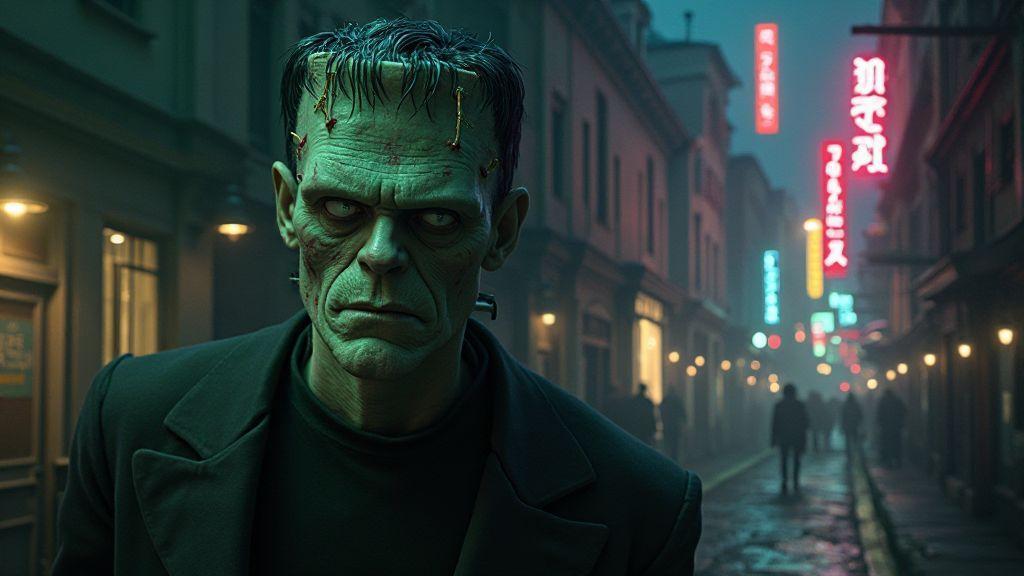
Frankenstein's monster lives on in different media. In film, it evolves from a disfigured creature into a figure with layers of vulnerability or monstrosity imposed by society. In anime, it gains expressions, colors, and internal dilemmas that resonate with today's audience, while maintaining the essence of the story.
Cinema uses various versions to address scientific fear, guilt, and belonging. The Monster can be seen as a victim or an agent, which adds tension and leads to multiple interpretations. In anime, however, the creature becomes a mirror of human curiosity and the desire to be accepted, connecting with themes of responsibility and ethics.
Famous designs of the monster in cinema
The monster's designs shaped how we recognize it today. The 1931 Frankenstein features a simple yet striking look that evokes empathy. The design evolved over time, adding skin, scars, and greater texture, while maintaining an aura of mystery.
Directors play with lighting to transform the monster into a symbol: shadows can represent him as a bearer of guilt; lights can make him more human. Modern reinterpretations vary between clean colors, heavy tones, or stylized styles, always preserving the essence of Frankenstein: questions about what it is to be human and what it means to be different.
In remakes and international cinema, the monster continues to evolve without losing its core: the search for identity, the weight of creation, and the conflict between creator and creature. These variations help keep the character relevant to new generations and show that success lies in how the image evokes curiosity, empathy, or fear.
Modern versions of Frankenstein in anime
In anime, adaptations often explore human relationships and moral dilemmas with more intimate versions of the creature. Elements such as scientific powers, complex family dramas, and choices that affect the entire world appear strongly. The monster in anime can be an ally and, at the same time, a target of prejudice, creating rich layers of conflict.
The anime's dramatic aesthetic emphasizes the character's loneliness and questions what it means to be human when someone is merely a sum of memories and flaws. The narrative can present the monster as both creation and friend, balancing humor, pain, and personal growth. Each adaptation offers a new lens on the myth, while maintaining curiosity, empathy, and responsibility as central themes.
My recommendations: 10 best Frankenstein movies
I love the topic because it mixes science, fear, and emotion. Frankenstein on Netflix: recent adaptations Here are my favorite picks, with tips on how to watch and where to find them. The list includes black and white classics and modern color versions, offering options for different moods.
- List of the best Frankenstein movies
- What impressed me most in each title: acting, practical effects, soundtrack, plot twist.
- Focus on the existential drama of the monster or on the guilt of the scientist.
- Suggestions for a movie night or marathon.
How to watch: viewing order and tips
The best approach is to adapt the sequence to the mood you want. Start with the classic black and white films to understand the origins, then move on to the color versions with darker or more distinct approaches. Mix different eras to see how the theme evolved.
Practical tips: look for editions with director's commentary, behind-the-scenes stories, and trivia from the period. Combine this with readings about the historical context to enrich the experience and understand the creative choices. Adapt the list to your mood of the day: more somber or more philosophical?
Where to find and watch the films
Check popular streaming platforms and digital stores for rentals or purchases. Some classics may require searching through historical catalogs. If you can't find them there, look in old movie rental services or digital libraries, prioritizing quality restorations for a better viewing experience. Plan a movie night with several options from the list to enjoy the theme.
Conclusion
Upon completing my journey through the best Frankenstein films, I see that the method works when there is fidelity to the essence, influence on cinema, and an intelligent combination of genre and animation. Each title is an invitation to reflect, feel emotion, and debate, without losing the entertainment value.
In conclusion, prioritize experiencing the best Frankenstein films: start with the classics, compare anime adaptations, and delve into modern versions to understand how the myth remains alive. Observe how the monster oscillates between fear and empathy, and how the creator's responsibility remains the ethical axis of the work.
If this text helped you see Frankenstein with new eyes, mission accomplished. May each viewing be an opportunity for reflection, surprise at the art, and perhaps even laughter in the face of human cruelty.
Frequently Asked Questions
What are the best Frankenstein movies to start with?
I recommend starting with the classics, such as Frankenstein (1931) and Bride of Frankenstein. They exemplify well what makes Frankenstein the best.
Where can I watch the 10 best Frankenstein movies?
Search for these titles on streaming services like Netflix and Prime Video, as well as digital stores. DVD/Blu-ray collections also often include these titles.
Which film on the list of the 10 best Frankenstein movies is the most faithful to the book?
No adaptation is 100% faithful. Older versions often capture the tone of the novel better, so they are often chosen in this regard.