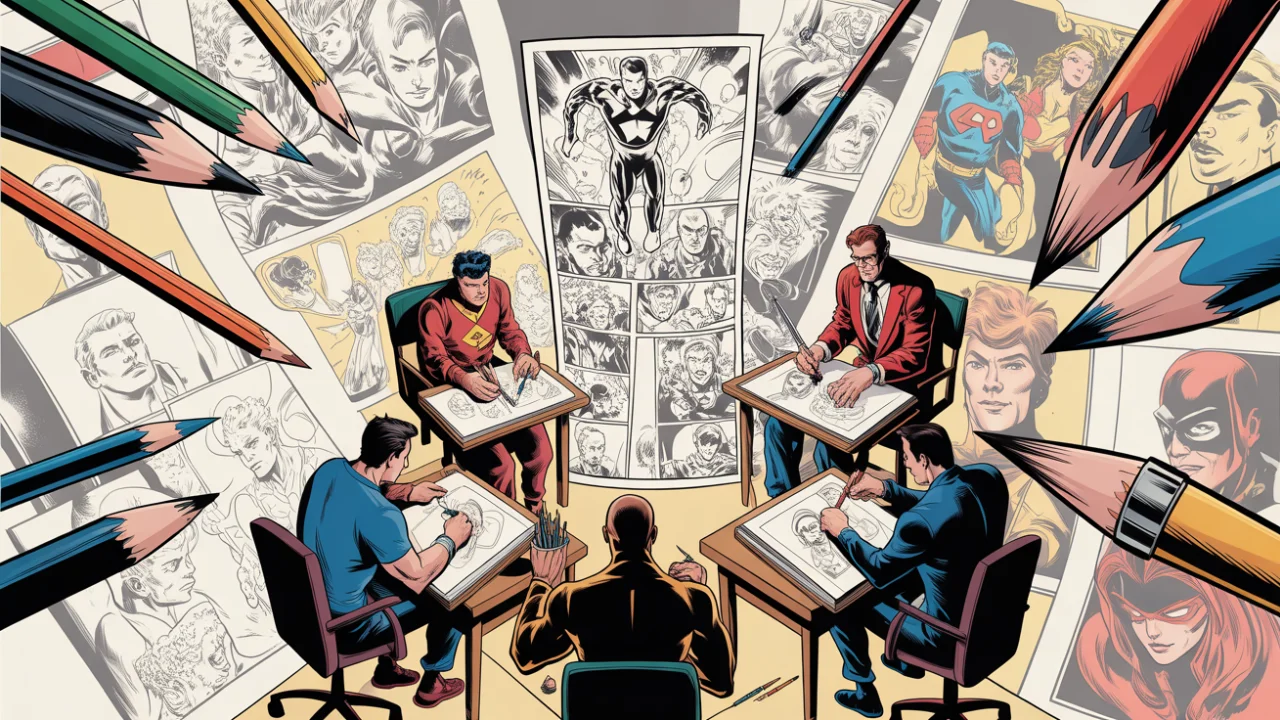
Today I'll take you on a quick tour of the creators who shaped manga and anime. I'll show you biographies, essential works, important dates, and the techniques that became the language of anime. I'll explain how comics became screenplays and how cultural exchange with the West generated classics. Come with me to discover this living legacy. To understand the current landscape, it's worth checking out [link to relevant article]. One Piece in chronological order.
Biographies of influential comic book artists in anime.
I'll begin with a deep dive into the stories of these artists who shaped anime without losing the essence of comics. Each brought a unique way of telling stories, whether through narrative, art style, or world-building. The line between comics and anime became more fluid, with rhythm, page composition, and expressions that still influence creators I admire. The genius lies in the ability to transform a simple idea into something that almost leaps off the page. This relationship also resonates in popular works, such as JoJo's Bizarre Adventure, known for... stands.
This cultural influence is clear in the translation of visual traditions into a format that works for both quick reading and careful appreciation. This crossover of styles helped popularize anime in markets where traditional comics still held sway, creating a bridge between fans of all ages. It's a conversation between generations: what they started, we continue to develop today.
The legacy lies not only in the striking features, but in the courage to experiment. When an artist breaks visual rules, they open up space for new styles—and anime gained dynamic expressions, more impactful action scenes, and characters with an air of emotional realism. The result is a visual conversation that continues to live on in every page I see.
Essential works and dates
When discussing works of art, I begin with the pillars that define creative paths in anime. A key work, released in years that marked a shift in styles, serves as a reference point for understanding how the narrative was structured to function on screen. I observe the character development, the timing of each frame, and the color choices that contribute to a sense of movement that seems to come alive off the page. These works are practical guides for understanding the logic behind iconic scenes.
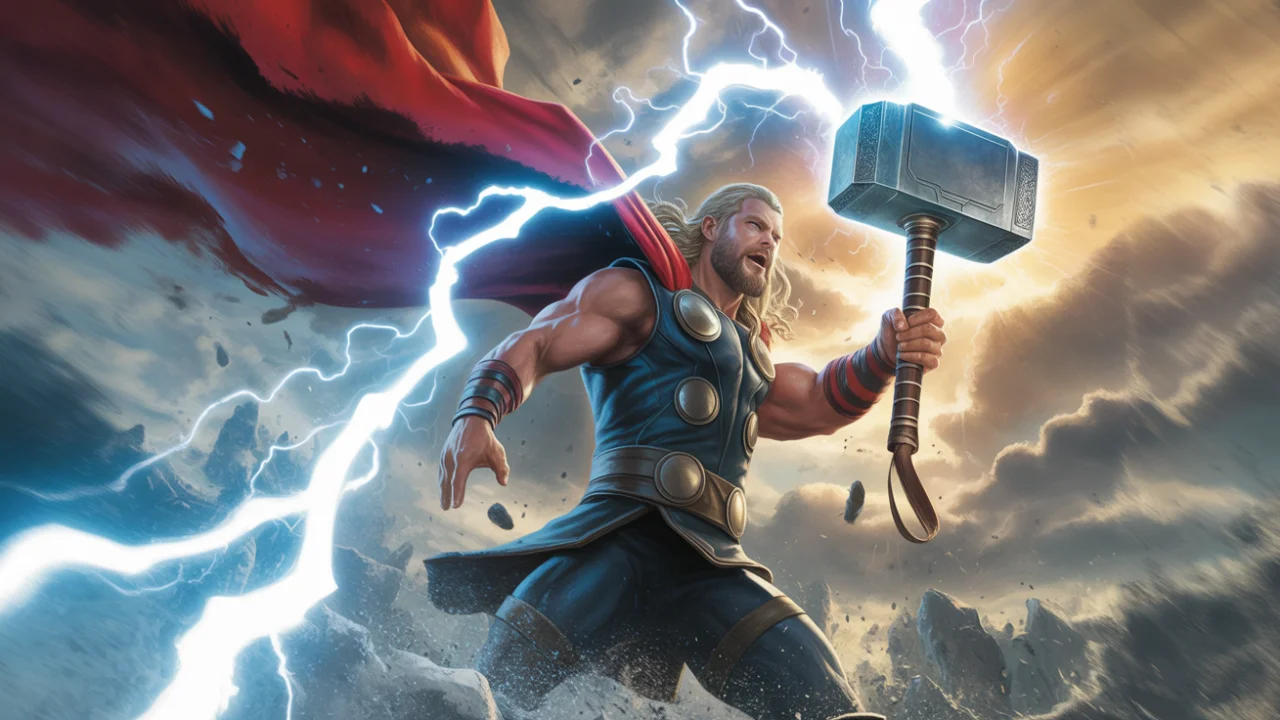
It's worth mentioning releases that show evolution over time. Over the years, the art style has become bolder, the references more global, and the themes more mature. Key dates help map the progression of the style we know today. Rereading it, it looks like cinema on paper, with panels that breathe. These moments help us understand where the composition techniques we love in anime come from.
Primary sources
My sources are diverse and worth every minute. I read interviews, production guides, and analyses that unravel choices in layout, rhythm, and symbolism. Historical anthologies gather release data, publication context, and audience reception. They help confirm dates, names, and impacts, while maintaining a firm critical eye. I recommend starting with a basic bibliography of each artist and then expanding to opinion articles and studies on the relationship between comics and anime.
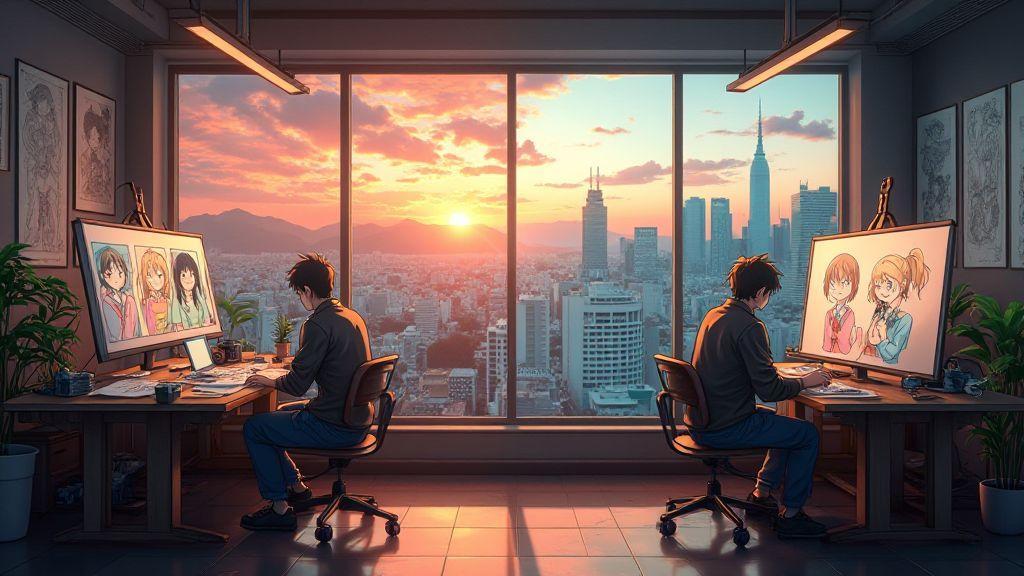
The influence of comic book artists on the development of anime.
The path of anime is anchored in comics. Comic book artists brought techniques, rhythm, and language that shaped the visuals and narrative of the first Japanese animations. The mutual curiosity between the arts—comics looking at Japan and Japan transforming those ideas into movement—created a bridge between styles. The influence goes beyond style: it involves thinking about screen time, communicating emotion without excess, and using panels to create suspense. Japanese pop culture in Brazilian museums.
The bridge between comics and anime is layered: line drawing, character design, and visual storytelling. Strong lines, clear expressions, and sharp actions help transform a static page into a sequence that comes to life on screen. Characters with striking designs, quick dialogue, and simple arcs create rapid connections with the audience. The reading of varied panels and smooth transitions has been adapted for dramatic cuts, zooms, and pauses on screen. It's a language more than just technology.
Many creators see comics as the foundation of animation's dance floor. Reading a comic teaches reading rhythm; this rhythm translates to climax, humor, and emotion on screen. The transition from panel to panel transforms frames into scenes or sequences of episodes, maintaining the story's logic. When the script manages to keep pace with the comic, the result is natural and engaging. The creative team—directors, writers, and artists—needs to communicate what each panel says and how it begins and ends in each episode.
Techniques that comic book artists who inspired anime classics brought to the table.
The framing techniques of comics defined the language of anime. Dramatic angles create a moving page readability; large, expressive eyes communicate emotions easily; clarity of action keeps the action legible, essential in fights. Economy of line for impact facilitates fluid animation with fewer resources, maintaining the effect. Time reading—smaller panels speed up, larger panels slow down—works well in episodes with cuts that guide the eye without disrupting the story.
The character design—striking silhouettes—makes them easily identifiable in motion. These elements show why many classics seem to have come straight from a comic book to the screen. The combination of techniques highlights the lasting impact of anime on visual storytelling.
How comic book stories became anime scripts.
The transition involves adapting rhythm, focus, and emotional scope. Transforming internal dialogue into audible speech and visible actions, maintaining the tone of the work, and structuring scenes into episodes are key steps. Each panel of a comic book can become a scene or sequence in the animation, maintaining the logic of the story, not just copying the aesthetics. The script needs to translate visual information into clear action so that everything is understood even without reading the words. Tezuka and Mauricio de Sousa: friendship and influence.
Historical studies and evidence
Records show the transition from comics to anime, with teams acknowledging influences from foreign comics while maintaining a Japanese identity. The transition involves a philosophy of storytelling: how to tell the story, when to cut, and how to keep the reader/viewer in suspense. Many creators started in comics to learn reading pacing and image clarity before diving into animation.
There are interviews that cite specific comic book artists as inspirations, showing that the influence was a conscious choice in building the classic anime style. Works cited as landmarks repeat drawing techniques, panel usage, and story pacing, connecting comics and anime in a perceptible way. Even with technological advancements, the storytelling spirit of comics continues to guide choices in direction and editing.
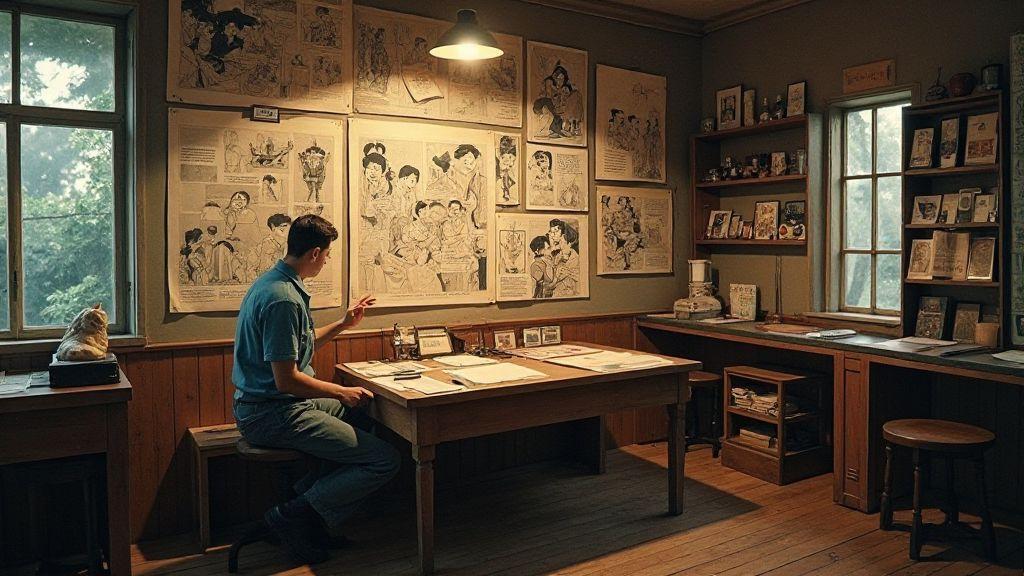
Pioneers of Japanese comics and their influence on anime.
The pioneers of Japanese comics are the seeds of the visual style and narrative of today's anime. Even with technical limitations, they created iconic characters and story formats that showcased the power of Japanese animation. This foundation influenced the structuring of stories, with dramatic rhythms and strong climaxes that captivate the audience. The impact goes beyond the pages: manga shapes the energy of anime. Naruto Hokage They help to understand this maturation process.
Dramatized facial expressions, simple yet effective settings, and scene transitions that keep the viewer in suspense are hallmarks of this phase. Experimentation with short formats, fast-paced action pages, and recurring motifs helped create a recognizable visual language: large eyes, exaggerated emotions, and fluid movements. Manga paved the way for larger works, maintaining the essence of adventure, fantasy, and moral lessons that still influence modern anime.
This legacy makes it easier to understand why many current anime revere that heroic spirit of early comics, maintaining strategic simplicity, emotional focus, and narrative continuity.
Masters of manga who transformed comics.
The masters of manga are cornerstones of a grand construction. They didn't just draw stories; they defined standards for narrative, pacing, and character development. Manga has shown that profound themes can coexist with visual charm, creating works that appeal to both young people and adults.
Among them, some transformed comics into complex art, with long arcs, memorable characters, and captivating plot twists. Their narrative style influenced anime, especially in the construction of protagonists with clear motivations, growth arcs, and moral dilemmas. The strength of the image, combined with a solid narrative, allowed manga to appeal to both children and more mature audiences without losing its identity.
When a master innovates, anime benefits. Page layout techniques, the use of visual onomatopoeia, and time transitions help maintain the pace. Each panel teaches how to tell a story without dragging it out, keeping the reader's curiosity piqued. This line of influence explains what we see in modern anime: layered characters, stories that span seasons, and a unique voice that resonates.
Milestones in comic book history and the origin of the greatest anime classics.
Milestones in the history of comics are moments that changed the course of anime. Releases that reinvented theme, style, and narrative length acted as catalysts to explore new visual and plot possibilities. Works that became benchmarks influence not only what is done, but how it is conceived. History of manga and anime in Brazil.
These milestones are turning points that opened up space for experimentation, debates about censorship, audience engagement, and the relationship between the public and creators. They helped solidify anime as a global popular art form, capable of transcending cultures with universal stories of friendship, courage, love, and conflict. Looking back, I see how each milestone contributed to the animation quality, the complexity of the characters, and the thematic depth of current series.
At the same time, these milestones help us understand the creative journey that leads from a simple idea to a cult classic. Success comes from vision, timing, and perseverance. These moments of collective progress help create works that stand the test of time, serving as a benchmark for understanding what made anime so significant.
Japanese timeline
I visualize the timeline as a path I travel through each series. It begins with the pioneers, passes through the masters of manga, intersects with technological changes, and arrives at the great classics that define an era. The evolution of art style, narrative, and production defines what anime is today. Following this path helps to understand how social transformations, technological advancements, and changes in the audience have shaped what we see on screen. Revisiting old favorites and discovering new gems is part of this journey.
How Western and Japanese comics inspired classic anime.
My reading habits show that manga doesn't exist in a vacuum. Western comics, with superheroes, straightforward action, and biting humor, opened doors for what classic anime tells us. Traces of Japanese narrative clarity combined with the fast pace of Western comics appear in older episodes. The fusion isn't just aesthetic; it shapes how characters move, how battles are choreographed, and how emotions appear on screen. The exchange between manga and Western comics creates a bridge between cultures that transforms simple ideas into something that works for fans of different backgrounds.
The exchange between manga and Western comics is like speaking two languages within the same set of rules: each has its own accent, but the words are understood. In Japan, manga adopts conventions reminiscent of European or American comics; in the US and Europe, reading comics has influenced the creation of series with more concise dialogue and pages that give rhythm to anime. Characters move from static scenes to impactful sequences, using the space between panels to create suspense or humor. This constant exchange encourages creators to think outside the box.
Several comic book artists have directly influenced anime classics. Many Western artists, with their bold styles, inspired Japanese designers to experiment with new forms of drawing, color, and movement. Their strokes recall the energy of European adventure comics mixed with Japanese dynamism, resulting in unique tones without losing emotional essence. Among these names, the concept of "9 Artists Who Changed the History of Comics" echoes like a shadow spanning decades, reminding us that innovation came from those who crossed borders.
Cultural exchange between manga and Western comics.
Cultural exchange has established a common foundation for the style of many anime. Simple changes, such as the pacing of a fight scene, are rooted in these cross-influences. When manga adopts suspense hooks from Western comics or the timing of humor in fast-paced scenes, it becomes more palatable to readers outside of Japan. Conversely, anime adapts this idea, shortening pauses and keeping the audience curious by changing the pace of each episode. The visual language works for those who read manga or watch anime, without requiring new education.
Mutual influence also appears in character design and scene framing. Simple figures with clear expressions work both in Western comics and in the Japanese style. This facilitates adaptation between media and generates series that capture the same spirit, whether on printed pages or on screens. The cultural exchange is not merely aesthetic; it shapes production decisions such as pacing, lighting, and the balance between action and dialogue. It is a dialogue between cultures that delivers something greater than each work in isolation.
Comic book artists who inspired anime classics.
Among the great names in Western comics, many left marks that became a reference for anime creators. The touch of those who work with movement, expression, and direct narrative influenced character design and the way action scenes are structured. Simple lines carrying great emotions help consolidate the style of many classic anime that still appear as references.
When talking about inspirations, let's not forget that 9 Artists Who Changed the History of Comics shaped the path of several anime works. These creators show that innovation comes from mixing techniques, new interpretations of panels, and exploring the speed of the line. Even with distinct styles, there is a common thread of creative courage that allows anime artists to adapt comic book ideas in a unique way. This exchange of seeds allows the story to gain new leaves with each generation.
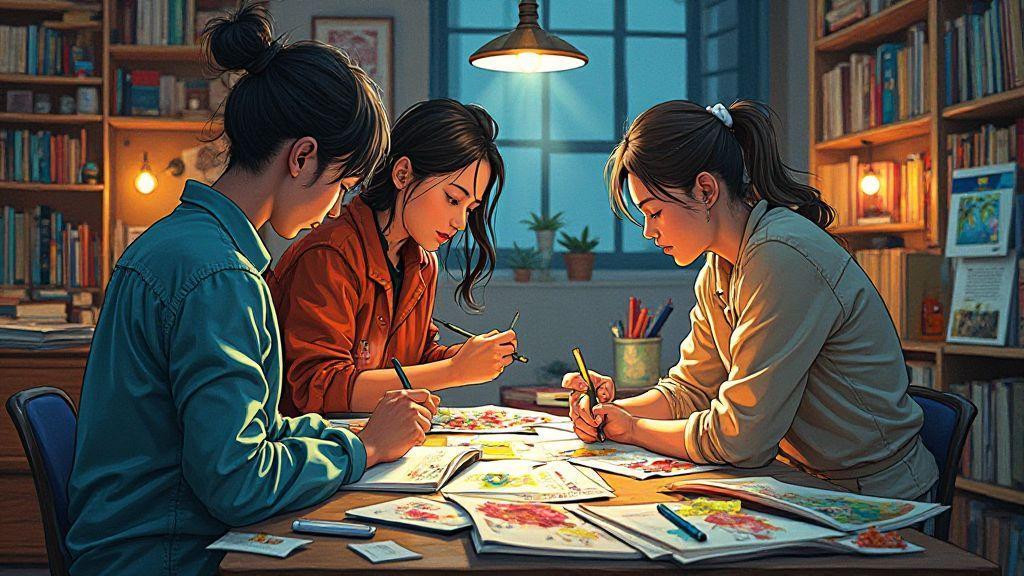
Comic book artists who changed the visual storytelling of anime.
It all began with those who dared to see beyond the page. The pioneers blended movement, emotion, and style, creating a language that anime would use for decades. They redefined how stories appear on screen. Every line choice, every transition, carries an idea that changes everything that comes after. The impact is felt even today, for those who read manga or watch modern series. This evolutionary path finds expression in works like JoJo's Bizarre Adventure, where Stands help compose the visual narrative.
These comic book artists brought confidence to the visual rhythm. They know that silence is also a camera, that the face can speak without words, and that the panel can pull time forward. When I reread masters' training materials, I realize that the page breathes. The economy of lines in the action shapes the experience. The visual breathes in current series, in the styles we consume without a second thought.
As I learn more, I see that each stroke carries a decision: where the weight comes from, where the focus is, how the viewer interprets the scene. "9 Artists Who Changed the History of Comics" isn't just a list; it's a timeline of techniques that became standard. They showed that the visual aspect of animation can drive the narrative with the same force as a well-written script. I feel this presence every time I see a sequence that seems to breathe on its own.
Paneling and pacing that influenced anime scenes.
Panelization is the music of the story in frames. The timing of scenes can create suspense, humor, or shock without words. Masters who have perfected this have taught that rhythm is part of the emotion, not just a technical device. Pauses between actions allow the audience to feel the weight of the situation. This panelization is fundamental to action scenes in many modern anime; see how this translates in the best action fights of all time.
Rhythm dictates the movement on screen: larger panels for impact, quick cuts for action, and silences that allow the scene's sound to work. When done well, the camera almost dances on its own, guiding the viewer's gaze. This technique directly influences modern anime scenes: fight sequences gain fluidity with variations in frame size and repeated micro-gestures. Dramatic moments become memorable because the rhythm allows time to feel each emotion.
Scene composition in works that gave rise to anime.
Scene composition is the melody of the narrative. The arrangement of elements within the frame dictates where the eye goes first. Lines, colors, and shapes create a visual hierarchy that guides the reader effortlessly. Background, character positions, and negative space say a lot about the tone of the narrative.
This practice was more than just aesthetic: it was a narrative tool. A character against the void amplifies the feeling of solitude; a wide horizon line suggests infinite possibilities. Even today, works that originated modern series use these techniques to maintain clarity in complex scenes. When the composition works, the story reads itself. This line of evolution influences many current titles, which you can follow in popular series in our catalog.
The legacy shows that scene composition shapes what the audience understands. It decides where the focus falls in crucial moments, how protagonism shifts between shots, and how the environment comments on the action. The quality of these compositions continues to be a benchmark for anime directors seeking simple elegance with strong impact.
Techniques still used today
Among the techniques that have stood the test of time, frame timing, economy of lines for expressions, and clear reading of action scenes are almost vital today. What began as a comic book technique has become standard practice in animation. In several series, every movement seems to have been carefully considered to maximize emotional impact.
Another relevant technique is the use of panels to suggest movement between scenes. Even without fluid animation, the reading is continuous, almost cinematic. Current directors and illustrators take advantage of these tricks to keep the audience engaged, without relying on flashy effects.
In the years that followed, these techniques evolved, but the essence remains: clarity, rhythm, and emotional focus. The modern anime fan feels the basics: flowing stories, memorable scenes, and a recognizable style across various works.
Evolution of comics and their impact on classic anime.
Comics have shaped much of what we see in anime. The evolution began with short stories and simple lines, evolving into varied styles and different publishers that created their own language. This language reached anime studios, which brought to the screen memorable characters, clear conflicts, and captivating universes, with color, movement, and sound. Each advancement opened doors for new adaptations. To understand the transition, it's worth checking out... Naruto e One Piece.
Initially, rhythm was essential: panels guided the viewer step by step. This idea of rhythm became an editing technique in anime, with expressions and silhouettes designed for movement. Many classic shots maintain this DNA: simple scenes, well-defined humor or tension, and episode endings that invite you to watch the next one.
The connection between comics and anime is also about the audience: the reader imagines the world, the anime fan receives images that bring that world to life. This exchange helps create adaptations that respect the original material and maintain the magic. In short, the evolution of comics is not just about pages; it's about telling stories more effectively, influencing what we see in classic anime.
9 artists who changed the history of comics and their legacy.
When I think of these masters, I remember that simple lines can hide emotional depth. New color palettes transformed reading, giving personality to characters through line and shadow. The legacy appears today in every anime screen that values expressions and silhouettes to tell the story before the dialogue.
Each name carries a lesson: some have shown that the format can be flexible—comics that become works for children, adults, and much more. Others have proven that the world can be vast, with a diversity of heroes and villains, opening doors for adaptations with more identity. When thinking about these nine artists, I glimpse a timeline that explains why certain anime arcs seem so natural to adapt. Marks that still guide directors, screenwriters, and designers.
It's not just a list; it's a record of how each aesthetic choice paved the way for new ways of telling stories. The legacy is having shown that quality comes from focusing on the story and emotion, not just the page's visual appeal. And this extends to anime studios that, looking back, recognize where it all began.
History of comics and origin of the greatest anime classics.
I see the history of comics as a line that runs parallel to cinema, television, and, of course, anime. Comics gave the impetus to universes with their own rules, heroes with flaws, and villains with motivations. This world-building foundation became essential for many classic anime, which need a cohesive universe to work in animation. When I see a great anime, I know it drew from this source.
The origins of the greatest anime classics are linked to the comic book styles of each era. Comic strips, magazines, and new publications taught narrative techniques that work well on screen: cliffhangers, subtle humor, and the rhythm between action and dialogue. Translated into anime, these elements help keep the audience hooked episode after episode. These landmarks remain relevant because they understood the essence of storytelling with rhythm, emotion, and a world that seems to breathe.
To summarize: the history of comics provided the foundation, while the greatest anime classics brought the dynamism of animation. Together, they created a culture where fans recognize patterns, enjoy different styles, and discover new layers in stories that seem simple but contain entire universes.
Legacy and current influence
The legacy of comic books continues to influence anime today. Modern directors draw inspiration from art styles, page layouts, and scene timing that originated back then. This respect for history isn't nostalgic; it's practical. Character archetypes, coming-of-age stories, and battles that blend strategy with emotion appear naturally because they were already present in the comics. When watching a modern episode, I feel the same basic idea: to tell a good story with characters you genuinely want to follow.
Current influence is also evident in diversity. Comics have shown that different origins can generate protagonists with appeal to varied readers. Today, many anime feature protagonists with varied backgrounds, new visual styles, and themes that go beyond the traditional, supported by that comic book DNA that taught how to build larger worlds with fewer words, but with more impact. This legacy, alive and evolving, continues to guide creators and fans like me, who seek new ways to connect with the stories we love. If you want to follow titles in production, explore... Modern anime for adults.
Conclusion
In closing this journey, the legacy of comics lives on in today's anime. By revisiting the nine artists that changed history, I see a timeline of courage, experimentation, and cultural exchange that enriches readers and viewers. Framing techniques, expressiveness, and paneling—from scene composition to the rhythm of each frame—transferred from comics to the screen, creating a shared language that connects fans from different backgrounds.
The result is a universe where comics and anime recognize and strengthen each other. May we continue to cultivate curiosity, celebrate this exchange, and support creators who maintain the dialogue between pages and screens. legacy It remains alive, influencing what we see today and paving the way for future mutations in sequential art. For those who want to explore more, see anime to watch that are currently airing.