I will guide you through every fall and twist. I will explore the dark origins, the trauma and loss that triggered it, external manipulation and the key moments From the anime.
I will show you the physical and psychological transformations, the changes of visual and powers, fan theories of villainy and the impact on image and in fandom. In the end, I summarize the... narrative lessons And what do these scenes teach us for future anime?.
Origins of the dark revelations
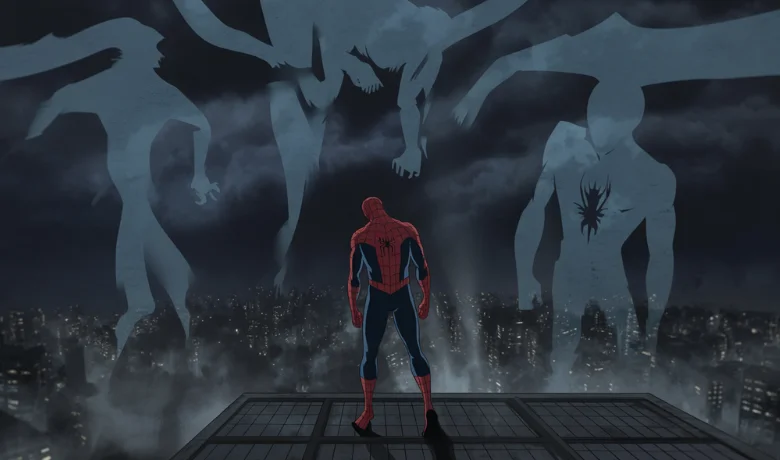
I always wonder where Spider-Man's dark revelations come from. In my view, it all starts with difficult choices and consequences that seem never-ending. When the pressure mounts, the fear of failure takes over, and this symbolically happens to Peter Parker.
In each story, darkness appears less as a specific villain and more as the burden of keeping secrets, protecting people, and dealing with loss. These tensions remind us that even the strongest heroes carry inner scars that shape their actions.
The truth is that dark revelations don't come out of nowhere. They emerge from situations where the line between right and wrong becomes blurred. Sometimes, Sandman, the Green Goblin, or other adversaries don't need elaborate tricks; they exploit Spider-Man's own doubts.
The result is a spiral: difficult decisions, unpredictable consequences, and the constant feeling that nothing can be simple. In the end, these revelations remind us that the line between hero and villain can be thinner than I'd like to admit.
For me, the crucial factor is how the hero reacts to the emotional shock. When he feels he has no way out, everything becomes more intense. That's where the moments that define who he is come from.
And it's at this moment that the audience can sense the character almost succumbing to a dark inclination. It's not just what happens, but how he responds to the weight of it all that transforms a superhero story into a human journey, with real flaws and difficult decisions.
- Secrets versus responsibility: they rob you of peace of mind and increase the pressure.
- Personal losses: generate internal conflict and doubts about who the hero is.
- External influence: manipulation that leads one down the dark path.
- Consequences of choices: shows the price of each decision.
Trauma and loss as a trigger
For me, trauma is the trigger that ignites the dark side. Dealing with loss—a loved one, a city, or one's own innocence—increases the tension. Trauma doesn't resolve quickly; it persists, haunts, and changes how the hero sees the world. These losses fuel impulsive decisions and make the audience question whether he acts as a hero or as someone who wants to control everything at any cost.
Trauma leads to questionable choices. In difficult times, Spider-Man may feel that the guilt is too much to bear, pushing him towards quick, not always fair, solutions. The pain can make the mantle seem too heavy, and the temptation to cross lines become real. It's not an isolated flaw; it's the weight of responsibility that makes someone rethink what it means to be good.
But trauma also reveals strength. Each scar becomes a lesson: choosing between the greater good and the desire to spare oneself. Even when he fails, the character continues to seek what is right, only with different methods. What seems dark is a desperate attempt to keep those he loves safe, even if it hurts him.
- The direct trauma of losses creates a burden that alters choices.
- Emotional pressure can lead to hasty decisions that are not always ethical.
- The making of a hero depends on how he transforms pain into strength.
External manipulation and pressure
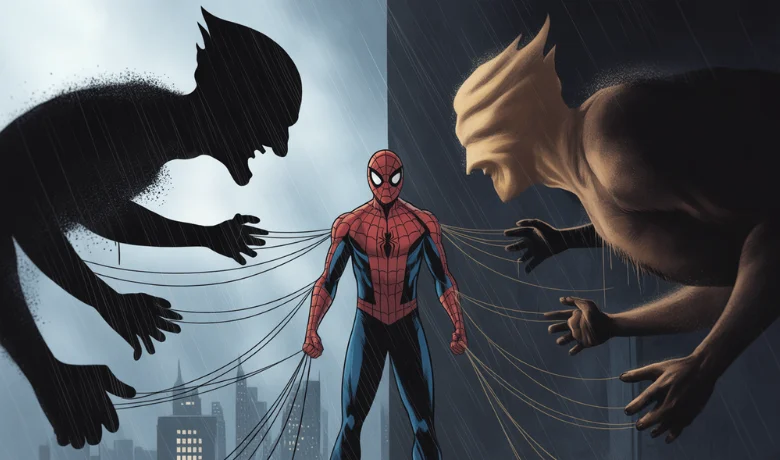
When I see external pressure at work, I feel the fear of losing control. People around him can push Spider-Man down dark paths, using empty promises or fear to shape his actions. Manipulation doesn't need brute force; it works through what the hero wants to believe about himself. The idea that I have to protect everyone at all costs can become a weapon against him, leading him to choices that seem wrong, but appear justified by the need for protection.
This fine line between hero and villain becomes evident when someone close to him puts pressure on him. The temptation to take shortcuts appears, to spare loved ones or to justify harsh actions with the rhetoric that the end justifies the means. The audience decides whether he was an accomplice or a victim of manipulation. The strength of the narrative lies here: Spider-Man almost becomes a villain not out of malice, but because of an internal battle fought under external pressure.
External pressure is not just a plot device; it's a mirror of our society. What surrounds us may try to force the hero into a role they didn't choose. When good clashes with convenience, the moral compass needs to remain clear, even when everything points to the dark side. The result is a more human story, where even the hero can fail under the weight of expectations.
- External pressure uses promises and fear to shape actions.
- Necessary actions may seem wrong if the justification is weak.
- The reader follows the fine line between genuine protection and manipulation.
Real and verified causes
The real causes of these dark revelations include difficult choices, unforeseen consequences, and external influences that test Spider-Man's integrity. In each saga, he is not merely a victim of circumstances; he is the protagonist who decides how to react. When the weight of responsibility falls, his actions leave their mark, telling a story of resilience, doubt, and attempts to get back on track.
Behind every dark moment, there is a clear, verifiable reason: the focus on protecting loved ones, even if it means putting oneself at risk. These reasons are discussed clearly, including losses, ethical dilemmas, pressure from allies and enemies, and the constant struggle to maintain the line between the greater good and what is acceptable. The complexity is presented without simplification, showing that the hero is human, with proven flaws.
- Secrets, losses, and external pressure are the main causes.
- Verification comes from the real consequences of each choice.
- History shows that the hero is not perfect, but is committed to doing the right thing.
Key Episodes: 7 Times Spider-Man Almost Became a Villain
I'll get straight to the point: these moments show how difficult choices can almost turn us inside out. When I think about 7 Times Spider-Man Almost Became a Villain, I see a hero struggling with temptations, pressure, and consequences. In these episodes, every decision seems simple, but the weight behind it is enormous. I'll break it down into scenes that change everything, reactions from allies and villains, and a clear summary of the important episodes.
Here's something I least expected, but which ended up making sense: the fear of failure can pull the index finger towards the ice. Let's look at the chapters that shape this arc.
Scenes that changed Spider-Man
The central scenes arrive when Spider-Man faces dilemmas that challenge his moral compass. In one of them, he is tempted to use his power to punish someone who blames the world for their own traumas. The temptation is not only to do what is wrong, but to believe that doing the right thing for the right people validates the wrong path.
Another scene illustrates the weight of responsibility: choosing between saving an entire city or saving someone close, realizing that it's impossible to keep both intact without hurting someone. These scenes reveal how the hero is transformed by the pressure of expectations, guilt, and fear. For those seeking additional examples of ethical dilemmas in anime, see also the debates about the plot twists in Naruto.
In my experience, I've seen similar choices in high-stakes situations: you want to keep everything under control, but life doesn't offer shortcuts. The suspense comes from the feeling that each decision can change the course of the story, not only for the hero, but for those he loves. When Spider-Man chooses to hesitate or act, the impact reverberates on everyone around him, showing that even the greatest heroes have real flaws.
Reactions from allies and villains
His allies often react with a mixture of confidence, shock, and a desire to correct course. The fear of losing the hero they see as a source of hope leads to attempts to pull him back to the right path. Some offer practical advice; others try to open his eyes to the consequences of each action. The tension grows because each character carries their own ghosts, which transforms the internal discussion into an emotional battle.
The villains, on the other hand, respond with provocation and by studying the hero's weaknesses. They exploit doubts, insecurities, and unresolved traumas. Seeing this dynamic is like looking into two mirrors: one reflecting Spider-Man's strength, the other reflecting the human cost of each choice. The lesson is that true victory is not just defeating the villain, but maintaining one's own humanity under pressure.
Summary of important episodes
- Key Episode 1: The weight of responsibility begins to slip. Spider-Man hesitates between acting with immediate justice or considering the long-term consequences.
- Key episode 2: the temptation to use power to punish instead of heal. The line between justice and revenge becomes blurred.
- Key episode 3: the question of who your true friends are when the world is watching your every move.
- Key episode 4: the choice that changes his worldview, revealing human flaws.
- Key episode 5: Allies try to pull him back, while villains test every weakness.
- Key episode 6: a revelation that changes the tone of the story and forces a new direction.
- Key episode 7: the final line between hero and villain seems thin, but the focus is on preserving what truly matters: the people he protects.
Physical and psychological transformations in anime.
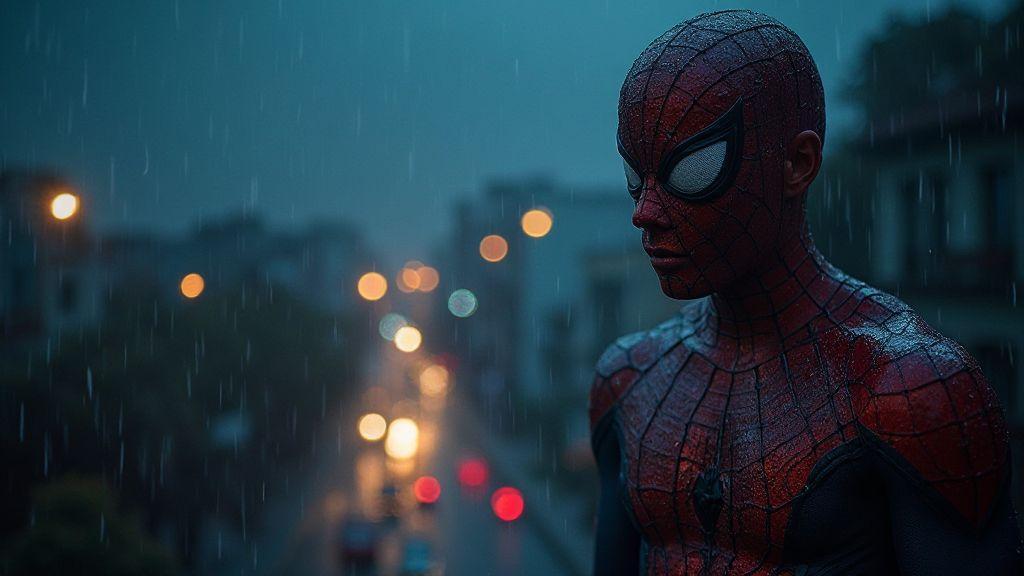
In the world of anime, transformations go far beyond changes in appearance. They reflect internal conflicts, difficult choices, and the character's maturation. Discussing physical and psychological transformations means noticing how every detail—from the gaze to the fighting style—delivers a story of evolution. The hero may gain strength, but also insecurities, responsibilities, and a new worldview. These changes are the heart of the narrative, showing that power comes with weight and consequences.
Watching series reveals that appearance isn't just about aesthetics: it communicates mental state. Messy hair, frayed clothes, or a modified uniform say a lot about the pressure. And the mind reveals itself in fears, in the decisions that need to be made, and in the response to losses. Transformations are often a tortuous line between maintaining who I am and adapting to what the world demands. In short, it is the sum of body, mind, and choices that defines the true growth of the hero.
The pace of these changes affects the story: major transformations can bring emotional shocks, internal conflicts, and new responsibilities. Each episode can bring a spark of change or a complete rupture, making the audience feel that the character is truly evolving. Thus, the transformations become less about power and more about who I will be when it's all over.
| Key aspects | What I see in the transformation |
|---|---|
| Physical | Strength, agility, new skills, physical aftereffects |
| Psychological | Fears, difficult decisions, responsibility, self-knowledge |
| Development | Internal conflict, identity evolution, social adjustment |
Changes in attitude and behavior
The changes in Spider-Man's attitude in the anime begin with the pressure of protecting others. He becomes more cautious, but his impulsiveness can resurface at crucial moments. In each situation, he learns to balance the desire to act quickly with the need to think before acting. This tension creates realistic scenes, where it's easy to recognize oneself in small, everyday decisions.
Another striking transformation is responsibility: the hero understands that his actions affect more people than just himself. He tries to put others first, even when it puts him at a disadvantage. This change is not smooth; it comes with doubts, sacrifices, and moments of weakness that give weight to the character. In short, he evolves from a young man who wants to solve everything quickly to someone who knows that making the right choices may require saying no to immediate desires.
His relationship with allies also changes: he learns to trust, share the burden of the mission, and ask for help when needed. This collaboration shows that the man behind the mask is not alone; he is strengthened by his network of friends and mentors. With each step, his self-confidence grows, and the anime builds a persona who not only defeats enemies but also better understands what it means to be a hero.
Changes in appearance and powers
Visually, small changes signal maturation. The costume might gain new details, more calculated attacks, and an appearance that conveys more experience. It's not just aesthetics: each alteration to the costume serves as a reminder that the character is growing and facing more complex threats. This visual aspect communicates to the audience that the character has evolved without needing to explain everything through dialogue.
Regarding powers, changes often come with new techniques, greater control over abilities, and new limitations. Watching the character learn to better manage their gifts, sometimes dealing with the negative consequences of using everything at once, makes the battles more strategic and unpredictable, maintaining the audience's suspense.
The connection between the visual and the psychological becomes clear: as the hero understands his role, his body and costume reflect this new function. With each physical transformation, he rewrites who he is within the mask. The anime suggests that appearance changes when the soul changes.
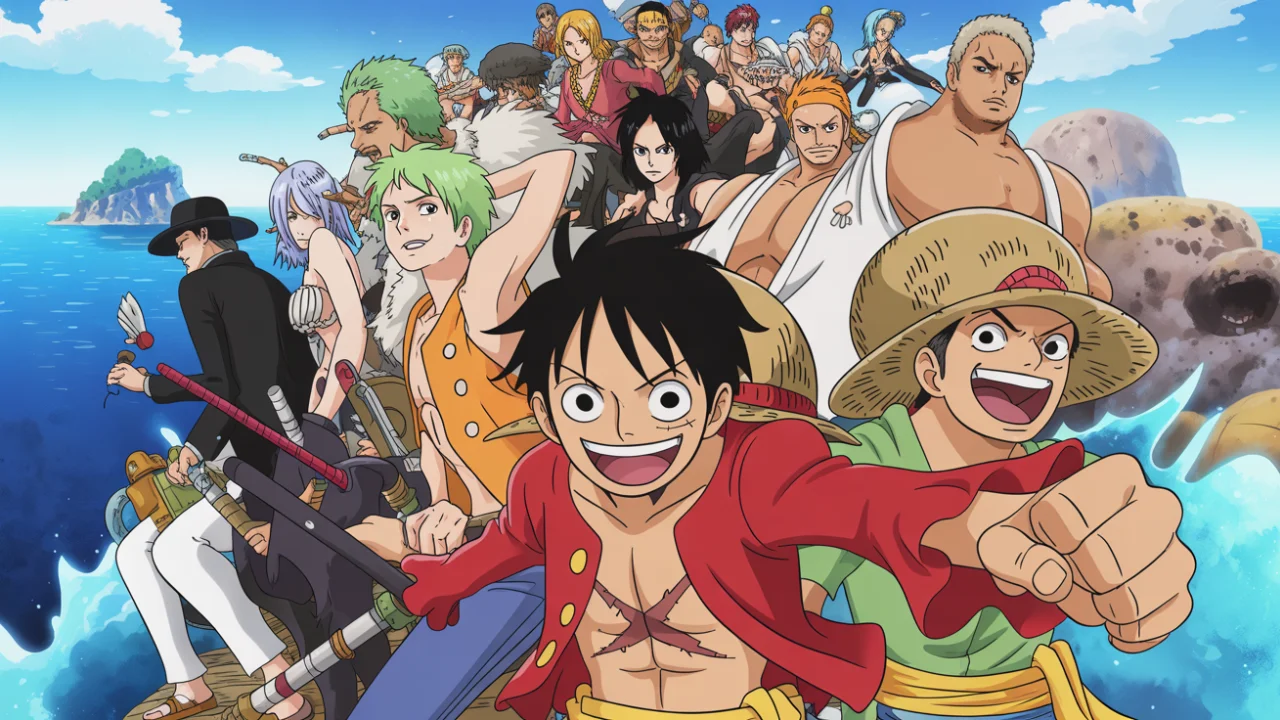
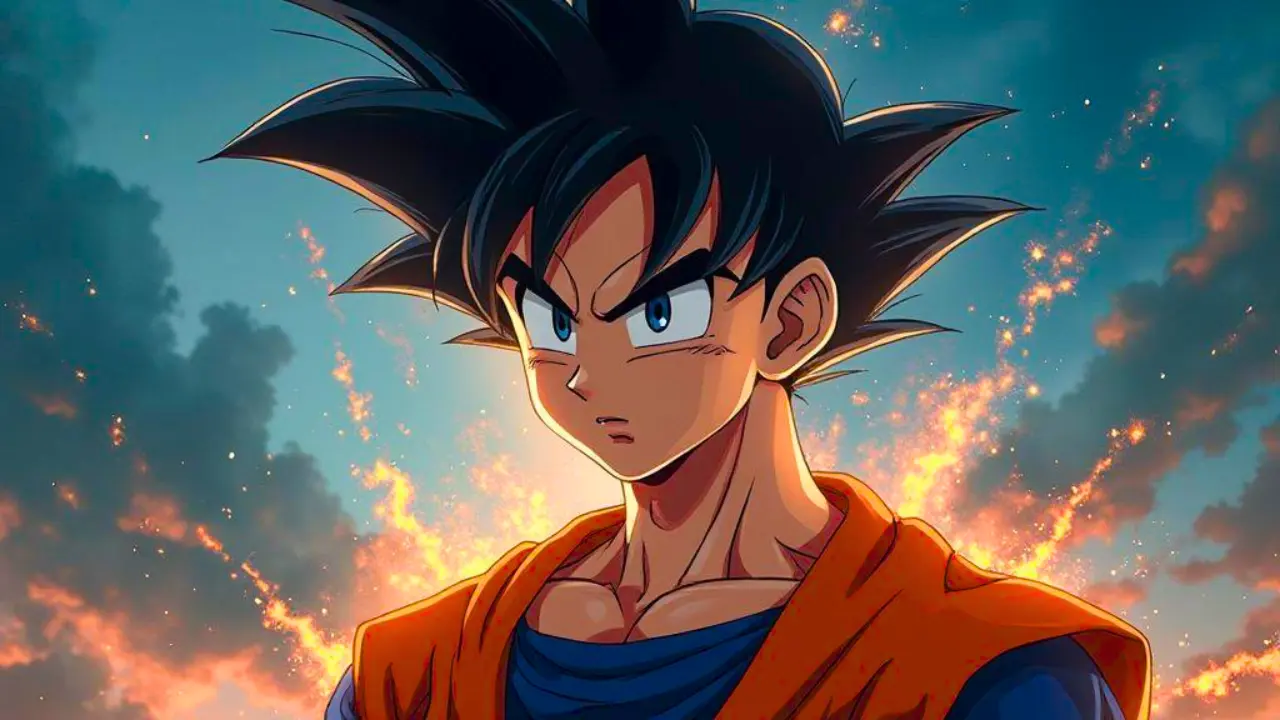
As a point of reference, the striking transformations of heroes such as Goku and the growth of Luffy They continue to inspire discussions about character evolution.
Impact on the hero's identity
When everything changes—body, mind, powers, and attitudes—the hero's identity undergoes a reconfiguration. The character rethinks who they are, what they represent, and why they fight. This reflection is the driving force of the narrative; without it, the changes would be directionless. The hero asks: Am I just the cape, or someone who can inspire hope? Along the way, they define new limits, beliefs, and priorities.
This reconfiguration doesn't happen all at once. It's a gradual process, marked by doubts, mistakes, and moments of clarity. He learns that the secret isn't just protecting others, but maintaining his own humanity. In the end, transformation isn't just about defeating villains; it's about maintaining who he is, even when the world demands radical changes. And that's where I recognize myself: someone who fights to maintain faith in himself, even when everything changes.
Theories of villainy and fan debates
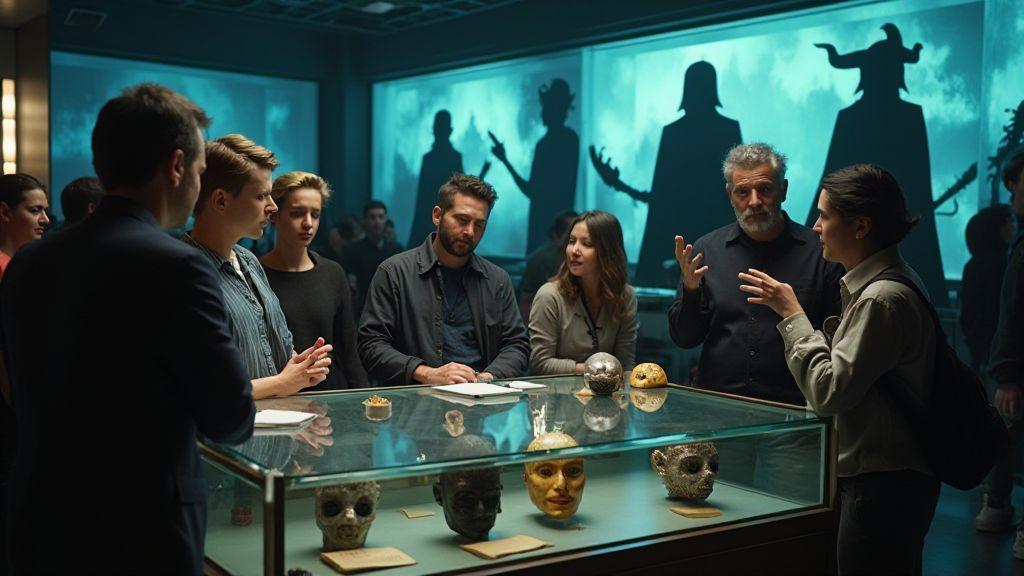
I love reading villainy theories because they bring the Spider-Man anime universe to life. When someone suggests that Spider-Man might cross the line and become a threat, I see fans passionately debating. These discussions often stem from flaws in the original villains, the hero's moral dilemmas, and ambiguous moments that appear in the episodes. The charm lies in how each detail can change the interpretation of what we've seen so far. Which theory makes the most sense to you?
Comparing different interpretations is enriching: some fans emphasize the hero's purity, others highlight the antagonists' dark impulses. With each episode, a new piece of the puzzle emerges, and the action scenes complement this debate. It's not just about who wins; it's about rethinking what constitutes villainy and what constitutes redemption.
By observing clues left in the plot, I realize that the best theories emerge from small pieces of evidence: dialogues, quick choices, or a close-up that changes everything. I re-listen to scenes to catch this signal. And you? What small detail changed your opinion about who is right or wrong in this story?
Readings about the Spider-Man anime anti-hero
A favorite interpretation is to think of the anti-hero as someone who struggles with himself more than with obvious villains. In several scenes, the character makes the right decisions, but with heavy consequences. The anti-hero shows that being one's own vehicle for transformation can be more difficult than defeating an external villain. This makes us question whether the line between hero and villain is truly clear or just a narrative perception.
Another common interpretation is the idea that the anti-hero faces external pressures: society, media, or friends who push him down dark paths. Short scenarios reinforce this theme: someone judges Spider-Man for his choices, even if his intentions are noble. The reading becomes richer because the conflict is both internal and external.
I also appreciate when anime suggests that true villainy can stem from human traits like fear, pride, or ambition. These interpretations help to understand why some fans defend the anti-hero in certain actions, as the ends seem to justify the means at certain times.
Evidence cited by theories of villainy in the Spider-Man anime.
I've noticed clues that fans highlight to support the idea of villainy. First, there are moments when the hero makes risky decisions to save someone, resulting in negative consequences for innocents. These scenes fuel the theory that the character may be heading down a dark path. Second, the tone of voice, the lighting, and the pacing of the scenes create an atmosphere that leads one to doubt his purity. This is not a coincidence; it's intentional to leave room for doubt.
Another point is the use of unanswered questions. Open-ended dialogues or choices not immediately explained fuel hypotheses. The gaps allow for creative theories. Finally, the hero's reflections on power and responsibility align with the classic conception of the anti-hero: he knows the weight of his actions, even if he prefers to deny it. This evidence doesn't guarantee the villain, but it creates a breeding ground for debate among fans.
Narrative lessons for future anime.
For future anime, I suggest maintaining the central theme of the hero's responsibility, exploring human flaws in more detail. Showing that difficult choices generate dramatic tension without abandoning the protagonist's human side tends to increase audience engagement. Use alternate versions or parallel scenarios to test different decisions, balancing action with moments of reflection to keep the story alive.
Conclusion
I come away from this reading with the view that the seven moments in which Spider-Man almost became a villain reveal more about the hero than about the villain. trauma, to the losses and external pressure They trigger difficult choices, showing that the line between hero and villain is thin. transformations — physical, psychological, and attitudinal — and changes in visual They signal an identity under construction, not a definitive defeat. The public gains a greater understanding. human of the character, and the fandom It deepens precisely because of the ambiguity.
The narrative lessons for future anime are simple, yet powerful: maintain the responsibility in the center, explore human errors with honesty, balance action e reflection, and use gaps As an invitation to debate, the legacy of these episodes is the confirmation that a hero can evolve without losing their essence, inspiring the public to reflect on their own choices. And, in the end, it is essential to balance fidelity to the canon with creativity to maintain an open and plural public image.
For those interested in exploring this topic further, check out related content such as... best action anime and references to transformations in major sagas, such as the transformations of Goku and Luffy mentioned above.