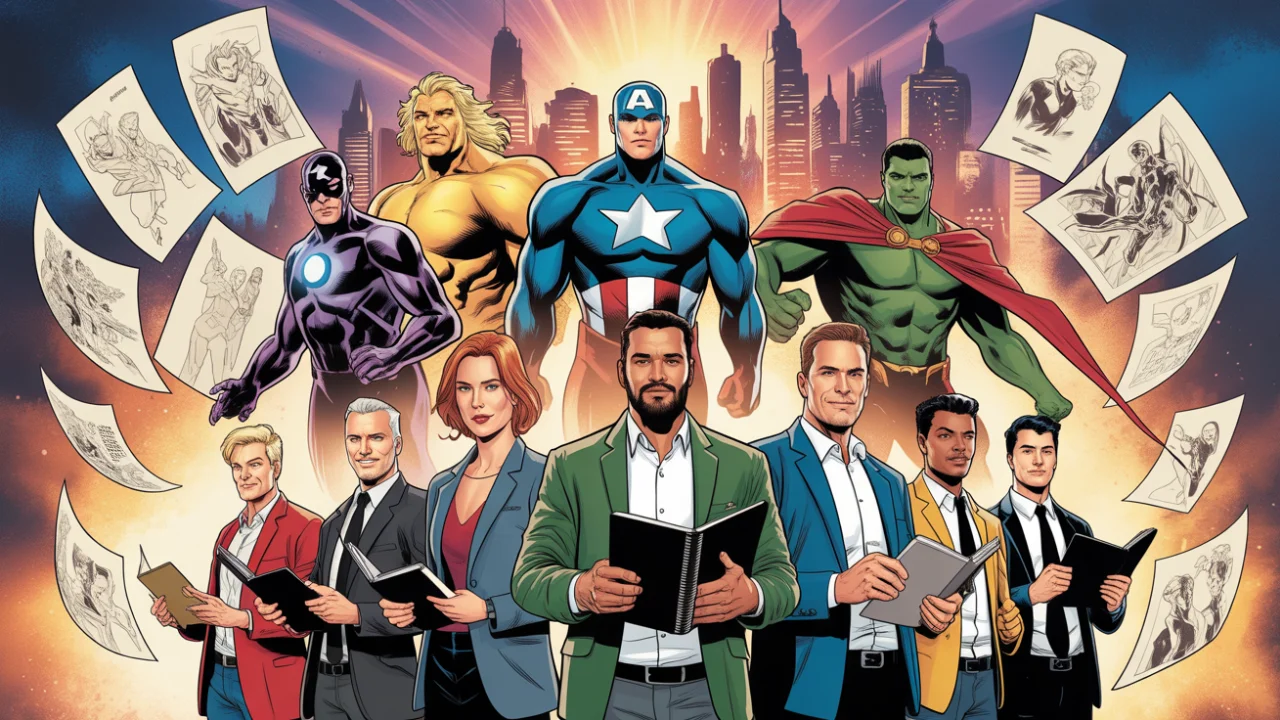
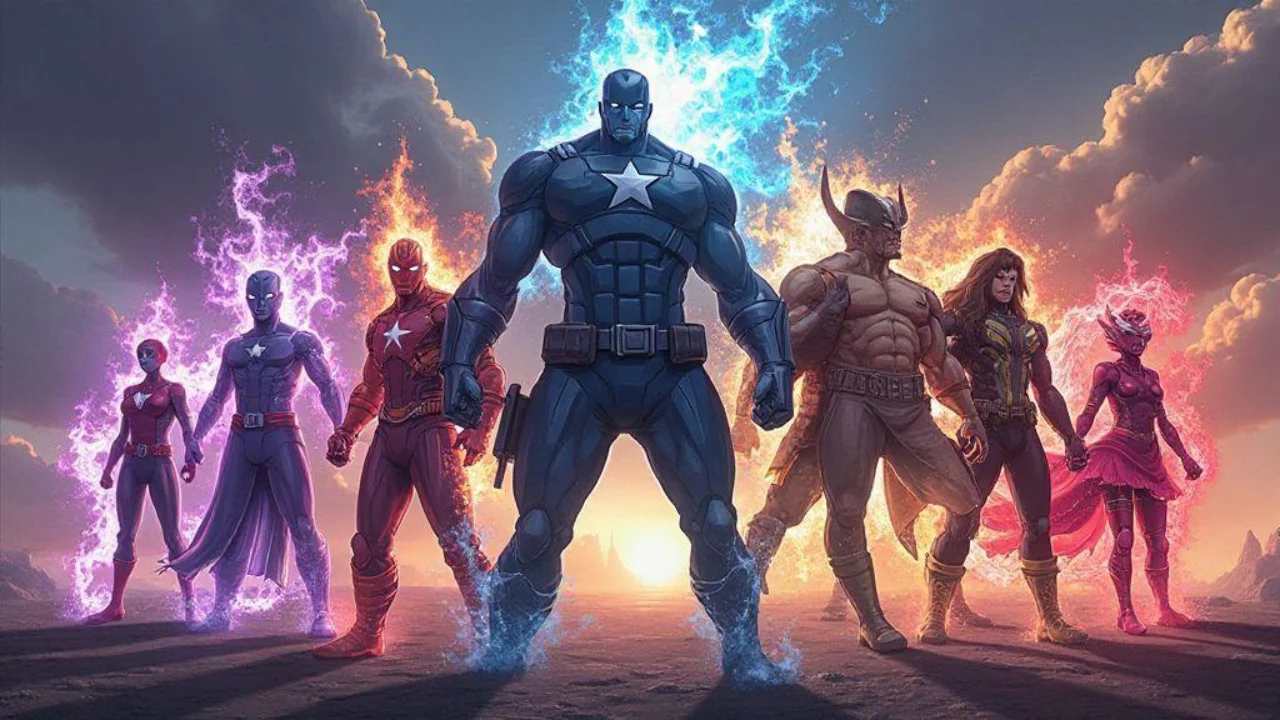
The Screenwriters Who Redefined the Avengers Forever I'll give a clear and quick overview of the roots and twists that shaped the Avengers. I'll talk about... Stan Lee e Jack Kirby, of Roy Thomas and continuity. I'm going to show the redefinition of Bendis and the epic architecture of Hickman, and how cinema with Joss Whedon e Markus and McFeely It all came together.
I also explore the impact of anime, the official Japanese projects, the change in mythology of heroes and my ideas about future of the team. This diversity of styles resonates with the best action anime, which help shape rich teamwork and dynamic character interactions.
The roots of the Avengers screenwriters
The Avengers came to life thanks to people who knew how to weave stories with vision. The work is a mosaic where each piece adds strength, tone, and purpose. Today, I explore where these masters of words came from and how they shaped the team we know. The Screenwriters Who Redefined the Avengers Forever They emerge in the story precisely to remind us that the group is more than brute force: it's a web of ideas that strengthen each other. This diversity of styles resonates with the best action anime, which value cohesive teams, human conflict, and humor within epic battles.
Stan Lee and Jack Kirby
Stan Lee and Jack Kirby transformed a group of heroes into a living universe. Lee brought humor, human conflict within grand battles, and a voice that seems to converse with the reader. Kirby provided the iconic visual style and an explosive world that thumps the narrative's pulse. Together, they created an energy where each character has a clear purpose, not just to fight, but to learn together. Lee offered the cadence of dialogue and the idea that friends become family, while Kirby provided the world that makes that family real. This energy resonates with fans who appreciate it. iconic anime characters.
Roy Thomas and continuity
Roy Thomas arrived with the mission of maintaining the consistency of the world. Analysis of the film The Avengers on the big screen. The continuity is clearly defined, connecting the past to the present without seeming forced. This made the Avengers more believable for those who follow multiple timelines. Old references gain new life, echoing in the current story.
His secret was respecting the foundation and taking the characters to new horizons. Not just pushing conflicts; he connected personal motivations that keep the reader hooked until the end. Roy Thomas brought continuity without stifling the surprise, keeping the promise that the next episode makes sense within everything that has already been told.
Timeline of screenwriters
| Period | Lead screenwriter | Impact | Observation |
|---|---|---|---|
| 1960s | Stan Lee x Jack Kirby | Creation of the Avengers and iconic dialogue/visual style. | Foundation of the group, human humor and worldly perspective. |
| Transition 1960s-1970s | Roy Thomas | Continuity of the world, a link between past and present. | It strengthens the cohesion of the Avengers mythology. |
| Following years | Other screenwriters | Expansion of arcs, new teams, tone adjustments. | It maintains relevance with new audiences. |
Avengers reboot by Bendis and Hickman
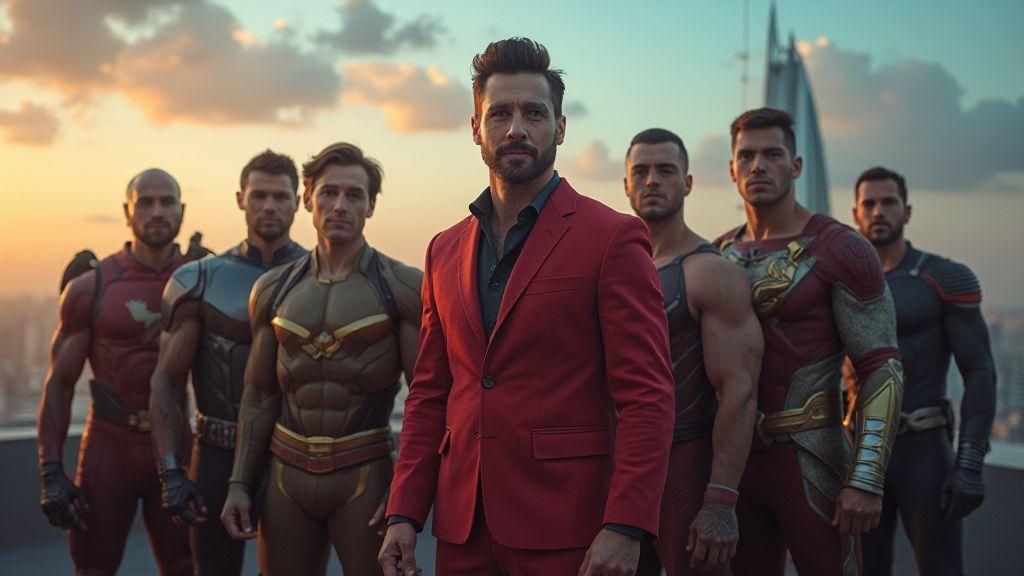
The recent Avengers reboot has shown them not just as a team of superheroes, but as a machine for solving complex problems. Bendis It introduced new faces, new relationships, and a group ethic that resonates with today's reader. Arcs reveal leadership, trust, and costly choices to keep the group together.
Jonathan Hickman elevated the vision: a world architecture that functions like a grand cosmic puzzle. He weaves long-term plans, power structures, and consequences that reverberate across multiple timelines. Instead of defeating enemies issue by issue, he places the Avengers on a chessboard where leadership decisions affect the fabric of reality. Hickman transforms the group into a cosmic institution, with each move carrying real weight in the universe, keeping the reader glued to every page. This relationship between narrative and scale also finds echoes in the best anime arcs that blend action with cosmic ambition, such as in... best action anime of all time.
This evolution isn't just about who's on the front lines, but how each character finds their place within a larger whole. Under Bendis and Hickman, the Avengers have become less a collection of heroes and more a living organism with flaws, doubts, and responsibilities that transcend the struggle between good and evil.
Brian Bendis' New Avengers
Bendis' New Avengers shifted the focus from battles to conflicts that require planning, unlikely alliances, and a deeper moral understanding. The characters gain new layers.The team functions out of necessity, shared interest, and a desire to confront greater threats. In each arc, the dynamic is tested, with failures becoming lessons and decisions shaping what comes next.
The world-building of New Avengers reveals a well-crafted internal mythology. Bendis makes each line of dialogue function like a puzzle piece: everything that is said has weight, and everything that happens opens doors to something bigger. He balances Cap, Iron Man, Ms. Marvel, and others, creating a sense of shared responsibility. The reading shows that the team is not just saving the day, but redefining what it means to be an Avenger.
The highlight is seeing this group facing dilemmas without easy solutions. New Avengers shows that strength doesn't always solve everything; often, what's needed is cooperation, patience, and strategy. The Screenwriters Who Redefined the Avengers Forever They found a balance between action and consequence, between spectacle and substance.
Epic architecture by Jonathan Hickman
Hickman's architecture for the Avengers functions like a castle built piece by piece. He doesn't just pit heroes against villains; he weaves layers of power, long-term plans, and a cosmology that makes every decision have a real impact. The Avengers transform into an institution that shapes the universe, with every gesture connected to something bigger. Reading it becomes a map with vertices, edges, and energy flows that explain why certain events appear in various series.
Hickman shows that leadership is about choosing between difficult options, keeping the group united despite disagreements. His architecture proves that great stories can have master planning without losing the human spark. Upon finishing an arc, there seems to have been a structural shift in what the Avengers are—not just in terms of who is there, but in terms of what they understand they need to do for the universe. For those who follow epic narrative trends, this is reminiscent of the arc structures in certain anime that combine macrocosm and human focus.
Impact on the mythology of heroes
The impact lies in how the mythology of the heroes is handled. A new historical weight makes each event reverberate in future incarnations. The Avengers become part of a larger canon, with stories connected across series and eras. It's not just action: it's the collective memory of the Marvel Universe, where each decision is a milestone that redefines the meaning of being a hero. This reconfiguration also changes the perception of the protagonists. Each character gains layers of history that justify choices that previously seemed arbitrary. The mythology begins to support ethical dilemmas, unstable alliances, and a worldview that values cooperation.

| Element | Bendis | Hickman |
|---|---|---|
| Focus | Group relations, moral dilemmas, leadership rebuilding | Power structure, long-term plans, cosmology |
| Tone | Dynamic, character-driven | Seriously, with a map-of-the-universe view. |
| Consequence | Decisions shape the immediate present. | Decisions affect the entire cosmos over time. |
| Legacy | New cast and new dynamics | New internal mythology and world architecture |
Avengers in anime style and official designs.
The anime style brought new colors to the Avengers. Dynamic lines, expressive eyes, and fighting movements that seem to dance give a constant energy to the scenes, with clothing featuring fluorescent details and a palette that emphasizes emotion in every frame. The result is an experience that brings together fans of comics and anime, while maintaining the essence of the characters. This fusion of styles resonates with the best action anime, helping to translate the spirit of the Avengers into different visual languages.
Disney and Marvel work with Japanese studios without losing control of the brand. The character design is respectful, with bold touches that appeal to anime fans. Soundtrack, action timing, and humor appear in each episode, balancing drama and lightheartedness. The goal is not just to copy traits, but to translate the spirit of the Avengers into a language that the Japanese audience understands, without alienating Western fans.
Exploring different visual tones within the same universe allows for emphasizing each hero's combat techniques, with colors that highlight each strike. The anime doesn't dilute the legacy; it expands it, showing that these heroes can shine in almost any art form.
| Key aspects | What I observe |
|---|---|
| Visual style | Dynamic features, expressive eyes, energetic palette. |
| Partnerships | Collaboration between Japanese studios and Marvel/Disney |
| Tone and rhythm | Fast-paced action, balanced humor, and just the right amount of drama. |
Marvel Anime and Japanese Partnerships
Marvel Anime was born from this bridge between Marvel and Japan, with partnerships that brought local teams to adapt the Avengers into an anime style. These collaborations help maintain visual authenticity and incorporate narrative techniques typical of anime, such as multi-part arcs and cliffhangers at the end of each episode. Marvel Anime is not a standalone attempt; it is an extension that broadens the reach of the Marvel universe to new audiences.
The partnerships bring unique gestures, colors, and textures that differ from other media, always under creative supervision to maintain consistency with what is already known. These collaborations attract anime fans, generating a cycle of discovery that benefits both sides. Each partnership showcases animation techniques: choreographed battles, creative sound effects, and transitions reminiscent of anime openings. Designers adapt the Avengers' costumes to the anime style without losing the identity of each character.
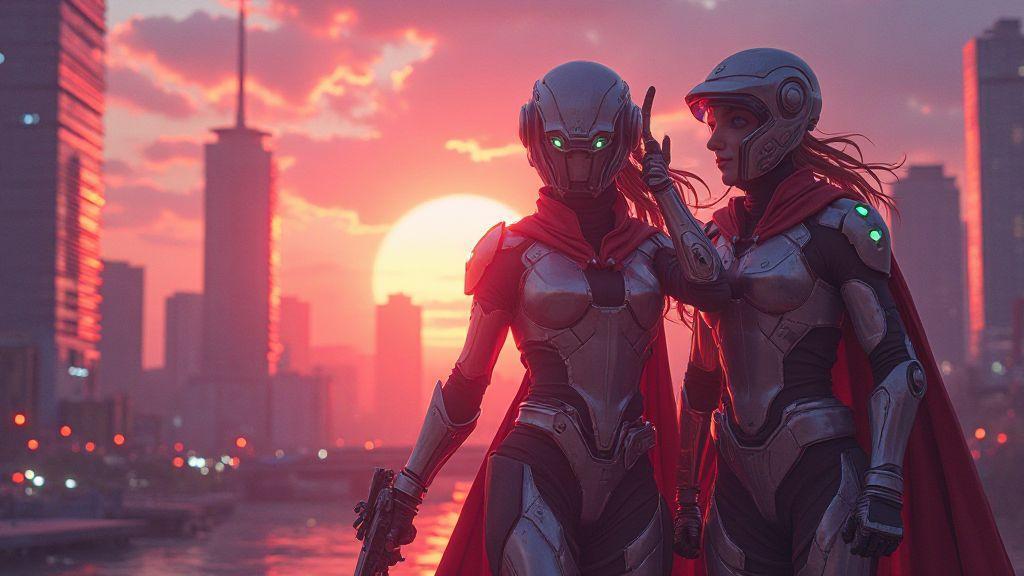
Anime style that rewrote the heroes.
Character design and voice acting
Anime-style character design isn't just about pretty clothes; every line carries intention. Lines, colors, and voices help convey personality: eyes revealing fear, gestures pointing to courage. Functional outfits communicate purpose: secret pockets, discreet jackets, useful details. The visual style conveys rhythm: loose sleeves for fluid movements, fitted lines suggesting precision. The combination of simple lines with striking accents makes the character stand out even in fast-paced scenes.
The relationship between visuals and voice is essential to keeping the reader engaged. When the hero lands a blow, their facial expression and speech cadence reveal who they are: courage, vulnerability, humor. The synergy between appearance and speech transforms the character into something alive. For those who enjoy references, exploring character design is very reminiscent of the approaches of... iconic anime characters, which become memorable for their visual and vocal signature.
Pace and action scenes inspired by anime.
Rhythm is the driving force: brief pauses for breath, shots that reveal decision and strike. In fights, time increases for the gaze, the decision, and the impact. Quick cuts create adrenaline, followed by stable shots that show consequences. The rhythm balances humor, tension, and emotion, alternating group scenes with moments of introspection. Scenery with rain, neon, and shadows helps to set the emotional tone, making the scenes memorable.
Visual examples and narrative
I use simple visual examples to create mental images: a cover that looks normal but hides a secret lever. Narratively, I play with the contrast between what is seen and what is felt to keep the reader engaged. I describe fights with tactile details: the weight of the blow, the sound of wood, the character's breathing. I alternate between the leader's point of view and the others' to give space to each hero. For those seeking additional visual references, look at... the best action anime This can help to understand how certain action and timing elements enhance the impact of scenes.
Visual examples and narrative — table
| Element | As it appears in history | Why does it matter? |
|---|---|---|
| Functional suit | Garments with pockets, sleeves that allow for easy movement. | Communicates function and personality. |
| Character voice | Concise speech in action, internal monologues in critical moments. | It reveals courage and vulnerability. |
| Pace of action | Quick cuts followed by dramatic pauses | It maintains suspense and impact. |
| Scenario | Neon, rain, shadows | It amplifies the emotional tone. |
| Group dynamics | Alternating perspectives among members | It shows relationships and motivations. |
The Screenwriters Who Redefined the Avengers Forever
In my process, I aim to transform already well-known heroes without erasing their legacy. The proposal is to rewrite them with an anime touch, bringing style, rhythm, and emotion that affect the reader's perception. Alongside familiar characters, I introduce new nuances that bring them closer to a contemporary audience, while maintaining the original spirit. This balance is essential to preserving the essence of what made the story work, while adding the energy of an anime universe. This approach engages with how anime series and works build legacies of iconic characters.
Ultimately, each page reveals what is unique about that team: bravery, friendship, and the conflicts that make them human. I describe scenes of confrontation or moments of decision so that victory means growing together with the group. I remain firm in this idea: maintaining the heroes' identities, but offering a reading experience that appeals to anime fans and those discovering the story for the first time.
Legacy and narrative evolution of the Avengers.
The Avengers were born from a diversity of styles and have evolved with new elements in each era. It's not just about who's on the front lines, but how the narrative reorganizes itself to keep the group relevant. From the humor of the initial encounters to the emotional density of today, each generation of writers adds layers without losing the essence: the union of heroes who choose to fight together, even when they disagree. This evolutionary path resonates with anime fans who appreciate the evolution of mythologies and teams over time.
The diverse cast of characters allows for broad identification; the strength comes from the dynamic between voices. Behind the great battles lie difficult choices that reveal fear, sacrifice, and loyalty. Throughout the ages, the Avengers have learned to live with consequences, creating a continuous thread that sows seeds for the next chapter; the legacy is shared responsibility, with dramas, alliances, and celebrations that span generations.
| Key elements of the legacy | Impact on the narrative | Practical example |
|---|---|---|
| Diversity of personalities | It creates conflict and learning. | Captain America, Iron Man, and Thor learn to talk to each other. |
| Consequences of actions | Grounded storytelling | Families, moral dilemmas, sacrifices |
| Union despite differences | Hope and cooperation | Team meetings, unlikely alliances |
How do I view the influence of screenwriters?
For me, the screenwriters are the engine that keeps the group alive. They shape the tone, the rhythm, and the decisions that drive the story.. Every choice—from who leads the team to what dilemmas arise—shapes the reader's experience. A conversation between heroes can replace an epic battle and reveal courage, empathy, or human flaw. The influence is evident: they don't just write scenes, they construct the logic that connects each character to the larger universe.
The variation between new writers and veterans keeps the series fresh. Each generation brings different questions about what it means to be an Avenger. Readers receive new perspectives without losing the central theme of the group. Changes in tone or emphasis reveal the writer's signature: moral focus, ambition, or a combination of factors that drive the evolution of relationships. In terms of pacing and construction, this approach echoes the strategies used in the best works. iconic anime fights by balancing action with character development.
Screenwriters who define the team's path influence how villains are perceived. An antagonist who forces the group to look inward can have more impact than a clash of forces. The role is to balance action with reasoning, keeping the narrative accessible and exciting. The influence of the screenwriters makes the Avengers seem alive, not just comic book figures. To better understand how the narrative can embrace ethical nuances, it can be helpful to follow stylistic references that appear in... anime similar to One Piece.
Marvel writers who changed the heroes
With each era, minds redefine what each hero can be. Simple changes—placing a character in a situation that reveals their humanity—show that the Avengers can evolve without losing what makes them unique. Leadership, responsibility, and relationships take on a new dimension, transforming internal conflicts into engines of progress. The dynamism between leaders and different members keeps the team alive, reflecting the idea that leadership can be collective, with each voice contributing to the next step.
For those who enjoy narratives that explore the humanity of their characters, the best anime for adults offer interesting parallels in terms of protagonist development and difficult decisions. The theme of leadership also transforms: a leader's charisma, collegial decisions, or a mix of approaches. The foundation remains, but the path can change, keeping responsibility as the central axis. This variety keeps the series relevant for readers of today and tomorrow. To learn about leadership styles and decision-making that appear in anime series for adults, see the articles on the best. Modern anime for adults.
The future of the Avengers reboot.
The future of the Avengers reboot may come from new character combinations, stories focused on social themes, or different formats, such as series that delve deeper into each hero's motivations. The heart of the team remains: together they can overcome the impossible. We will see difficult choices, greater sacrifices, and costly victories.
The path to the next phase includes maintaining clarity about who the Avengers are while making room for new voices. Incorporating different perspectives makes the team more relevant to new readers. The challenge is balancing new elements with the essence: unity, courage, responsibility, and the idea that the writers who redefine the Avengers Forever can serve as a living reference for those who write these stories.
Conclusion
This deep dive reveals that the Avengers' history is a tapestry woven by many hands: Stan Lee, Jack Kirby, Roy Thomas, Brian Bendis, Jonathan Hickman, Joss Whedon, Markus and McFeely, among others. Each era brought a new lens: the humanity in the battles, the continuity that honors the past, the architecture of an expanding cosmos, and the art of adapting for film without losing the essence.
The true legacy is the group's ability to grow without abandoning its identity: the union of voices, shared leadership, responsibility, humor, the weight of choices, and the promise that the next chapter can be even more ambitious without betraying the collective heart.
May readers and viewers find in these films and comics not only action, but a lesson on how to fight together, learn from mistakes, and keep hope alive. And for those who enjoy visual references that connect with anime, readings about the best action anime are a good complement.
Frequently Asked Questions
Who are the screenwriters who redefined the Avengers forever?
I highlight the screenwriters who changed the tone and fate of the heroes, bringing denser plots and bolder choices.
How has the anime style rewritten the hero genre?
More dynamic lines, exaggerated expressions; the visuals and emotions became more intense.
What has this changed for the fans and for the films?
It gained a new audience and sparked more in-depth debates; the films became bolder and more stylized.